


























DailyTimeCapsule brief
April 3, 1979
On April 3, 1979, the city of Harrisburg, Pennsylvania faced significant disruptions as a large number of employees were absent from work, largely due to a strike by public workers demanding better wages and working conditions. This labor unrest mirrored the growing tensions in various sectors across the United States, as workers sought to assert their rights amid an economy grappling with high inflation and stagnation. Across the nation, President Jimmy Carter's administration was navigating the complex landscape of post-Watergate politics and economic challenges, which were prominent in the backdrop of this day. Notably, the Federal Election Commission endorsed the conduct of Carter's 1976 primary campaign, underscoring the ongoing scrutiny of political practices in a fragile democratic climate. Meanwhile, the national mood reflected a cautious optimism as the economy showed signs of recovery, although inflationary pressures were still a significant concern for many Americans.
Key developments
-
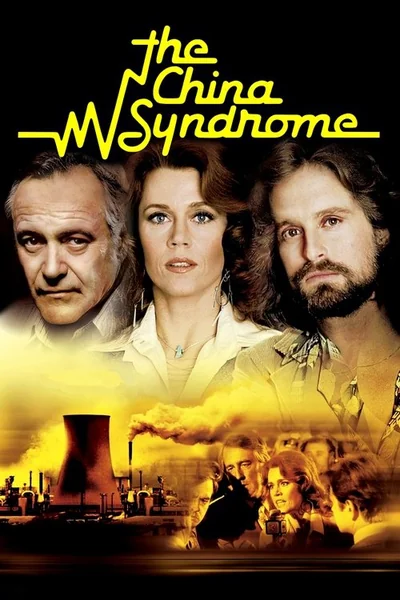
Following the nuclear accident at the Three Mile Island reactor plant, serious staffing shortages were reported in hospitals throughout Harrisburg, Pennsylvania. Located just 10 miles from the site of the accident, many hospital workers chose to evacuate the area due to safety concerns. This disruption significantly impacted healthcare services at a critical time, highlighting the far-reaching consequences of industrial accidents on local communities.
-
Harold R Denton, an official from the Nuclear Regulatory Commission, reported significant progress in the cooling process of a damaged nuclear reactor. The gas bubble that had previously hindered cooling efforts has decreased from 1,000 cubic feet to approximately 50 cubic feet. However, Denton emphasized that achieving complete cooldown may still require several additional days of work.
-
The Federal Election Commission (FEC) released an audit that endorses the conduct of President Jimmy Carter's 1976 primary campaign, affirming the integrity of his fundraising and expenditure practices. Despite this positive endorsement, the report notably sidestepped several controversial aspects regarding the campaign's financing that had raised eyebrows among critics and observers. Joan Aikens, a member of the Commission, indicated that these issues were not investigated due to constraints surrounding the audit’s focus.