













DailyTimeCapsule brief
February 21, 1976
On February 21, 1976, a major financial concern, the Continental Illinois National Bank and Trust Company, filed for bankruptcy, raising alarms about the stability of the banking industry amidst a period of economic strife. This event unfolded against a backdrop of economic recession in the United States, where inflation and unemployment were rising. Concurrently, former President Richard Nixon's trip to China was stirring discussions within the Republican Party, especially as President Gerald Ford prepared for the upcoming primaries. The political landscape was tense as Ford navigated the complexities of Nixon's legacy while working to solidify his own position in the party. Meanwhile, Fordham University confirmed the release of their basketball star, Dan Wissel, adding a sports highlight to the day, as the nation turned its focus toward both collegiate and professional athletics.
Key developments
-
In a significant financial development, Hamilton Bancshares Inc has filed for voluntary bankruptcy following the insolvency declaration of its subsidiary, Hamilton National Bank of Chattanooga. This drastic decision highlights the challenges faced by financial institutions amid economic pressures and regulatory scrutiny. The bankruptcy filing underscores a broader trend in the banking sector, where several banks have struggled to maintain solvency due to rising interest rates and increased loan defaults.
-
In a recent announcement, Fordham University confirmed the dismissal of a prominent faculty member, Wissel, marking a significant shift in the university's academic environment. This decision comes amidst various factors affecting faculty retention and academic performance within the institution. Wissel's departure raises questions about the future direction of the department and the impact on students and staff alike.
-
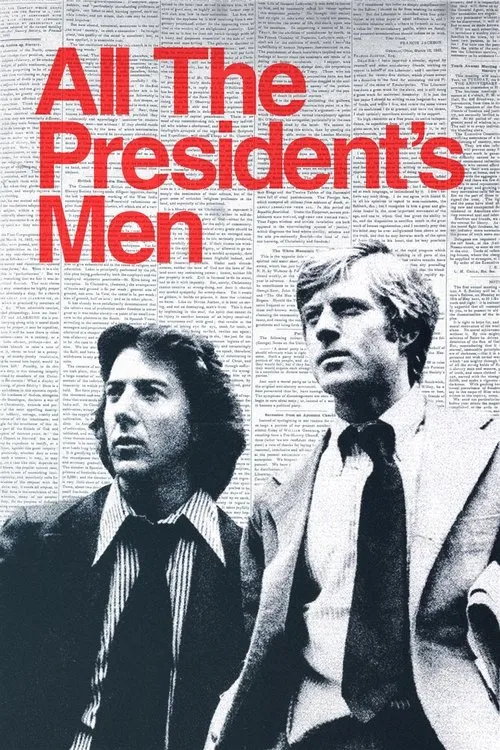
In a pivotal moment during his presidency, Gerald Ford addressed the ongoing Watergate scandal by emphasizing the necessity of a pardon for Richard Nixon. During a Q&A session at Keene High School in New Hampshire, Ford asserted that granting the pardon was essential to divert the nation's attention from Watergate and refocus on pressing economic and diplomatic issues. Ford publicly acknowledged Nixon's disgraceful resignation, yet believed that the pardon was a step towards national healing and stability.


