


















































DailyTimeCapsule brief
November 5, 1975
On November 5, 1975, the political landscape of the United States was stirred by former Vice President Spiro Agnew's announcement that he was open to running for an elective post, hinting at a potential political comeback. This came at a time when the nation was grappling with the aftermath of the Watergate scandal and increasing skepticism towards government officials. Across the country, efforts were underway to aid local businesses, particularly fruit stands, which were struggling due to economic pressures. In environmental news, reports emerged about the peril facing the Grizzly Bear, an iconic species that had been dwindling in numbers due to habitat loss and hunting, prompting discussions about conservation efforts. The political context was defined by a focus on rebuilding trust in government and addressing economic challenges as President Gerald Ford's administration sought to stabilize the economy amidst rising inflation and unemployment rates.
Key developments
-
Elliot L. Richardson, the recently appointed Secretary of Commerce, addressed reporters at a news conference where he denied rumors linking him to a potential Vice Presidential candidacy with President Ford in the upcoming 1976 election. Richardson emphasized that he is keeping his options open while focusing on his new role in the Cabinet, indicating his willingness to serve in various capacities. This marks his fourth appointment to a Cabinet position, reflecting his significant political experience and influence in the Ford administration.
-
The recent passage of HR, 299-95, allocates $1.5 million in federal aid aimed at supporting direct farmer-to-consumer sales through roadside fruit and vegetable stands. This initiative seeks to enhance local economies by encouraging communities to buy fresh produce directly from farmers. By increasing accessibility to farm-fresh goods, the program aims to improve nutritional choices and support sustainable agricultural practices.
-
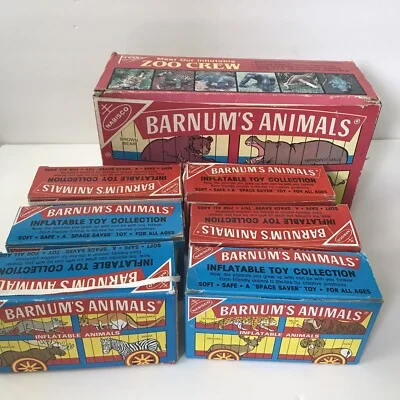
Researcher John Craighead from the University of Montana has raised concerns about the ongoing risks to grizzly bear populations, first declared a threatened species in 1975. His findings suggest that excessive killing of these bears, both inside and outside of Yellowstone National Park, could severely impact their recovery efforts. The alarming trend indicates that current conservation measures may not be sufficient to ensure the species' survival, necessitating further investigation and action.