

































































DailyTimeCapsule brief
October 11, 1975
On October 11, 1975, physicist Andrei Sakharov became a beacon of hope for advocates of human rights in the Soviet Union after being awarded the prestigious Nobel Peace Prize. This recognition came at a time when the Cold War tensions were palpable, and the world was grappling with issues of civil rights and government oppression. The headlines of the day reflected the struggles faced by workers, as labor strikes erupted across the United States, epitomized by the sentiment of being 'locked out' by capitalist bosses. Meanwhile, concerns over escalating state debts and economic ramifications were beginning to stir pessimism among the public and economists alike, highlighting a growing unease about the fiscal responsibility of government policies and their impact on individual liberties and economic stability.
Key developments
-
The awarding of the Nobel Peace Prize to Andrei Sakharov in 1975 reignited global attention on the Soviet Union's human rights violations and reforms. This honor not only uplifted Sakharov’s fellow dissidents but also intensified pressure on the Kremlin, leading to significant debates about the nature of dissent and freedom in the USSR. The award inspired a renewed interest in Eastern European politics, putting a spotlight on the struggle for democracy and civil rights amidst Cold War tensions.
-
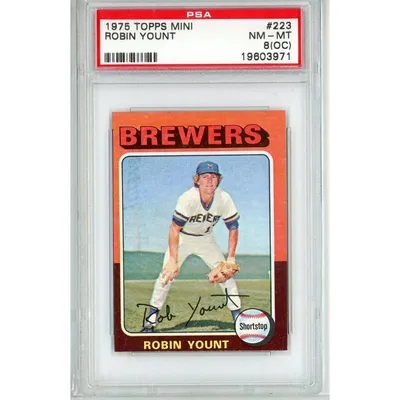
In a striking commentary, Prof Adam B Ulam analyzes how the Soviet press might portray the class implications surrounding the World Series amidst a labor dispute in professional baseball. This event highlights the tensions between players and exploitative capitalist practices by team owners, culminating in a significant lockout. The strike not only affected the sport but also brought attention to broader labor issues, illustrating the intersection of sports and socioeconomic struggles during that period.
-
Concerns are mounting regarding the future of New York State securities due to the state's deepening financial entanglements with New York City's ongoing fiscal crisis. Financial analyst Alan N. Weeden has cautioned that a potential default by New York City could trigger defaults among one or more state agencies, exacerbating the economic instability in the region. As market expectations shift, investors are becoming increasingly wary of the implications for both state and city fiscal health, marking a significant development in public finance discussions.