















































Inventions & Breakthroughs of July 1975
Gadgets, lab surprises, odd bets, and future-shocks from this slice of the calendar.
1 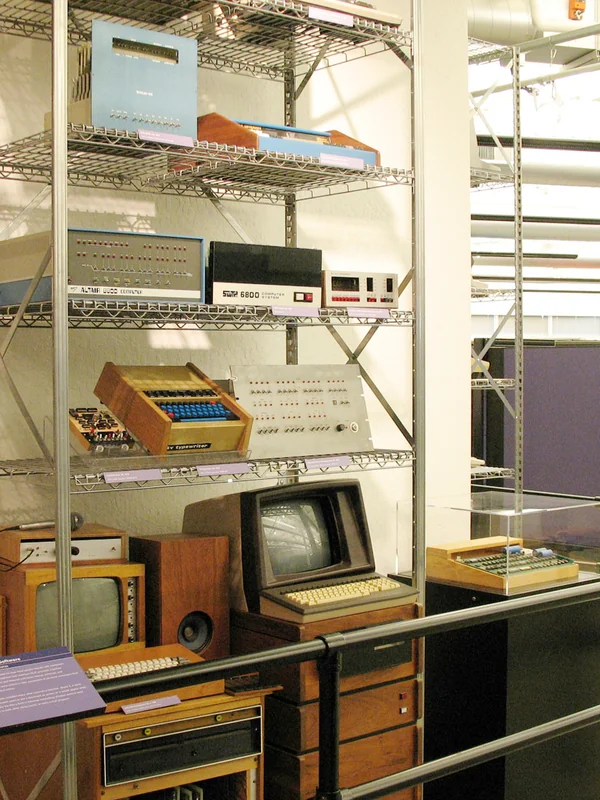
Personal Computer (Altair 8800)
2 
Laser Printer
3 
Supercomputer (Cray-1)
4 
Digital Camera Prototype
5 
Portable Email Systems
6 
Programmable Calculator
7 
Consumer Microwave Oven Adoption
8 
Speech Recognition System
9 
Satellite TV Broadcasting
10 
Computer Networking Expansion
The Sounds of
Popular recordings and roots/country selections associated with the year
Wall Street Time Machine
The Right Call: If you'd invested $1,000 in any one of these companies in 1975, here's what the stored 2025 dataset estimates.
Rank #1
MO
Philip Morris
Price in 1975
$0.02
2025 dataset value
$2,924,036
Philip Morris - If you invested $1,000 in 1975, it would be worth $2,924,036 today (2924.0x return)
Rank #2
BA
Boeing
Price in 1975
$0.18
2025 dataset value
$1,159,830
Boeing - If you invested $1,000 in 1975, it would be worth $1,159,830 today (1159.8x return)
Rank #3
WMT
Walmart
Price in 1975
$0.00
2025 dataset value
$32,670,879
Walmart - If you invested $1,000 in 1975, it would be worth $32,670,879 today (32670.9x return)
🦸 Top 5 Comics

Giant-Size X-Men #1
$13,300

X-Men #94
$3,000

Marvel Preview #2
$75

The Invincible Iron Man #75
$50

Tomb of Dracula #45
$150
🧸 Top 5 Toys
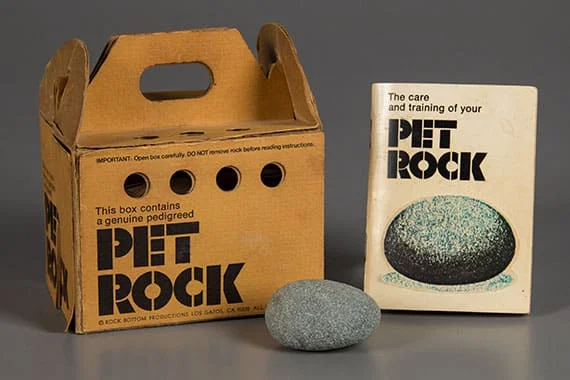
Pet Rock
$100.00
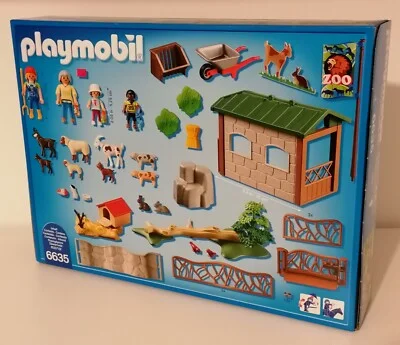
Playmobil Sets
$75.00

Pogo Ball
$150.00
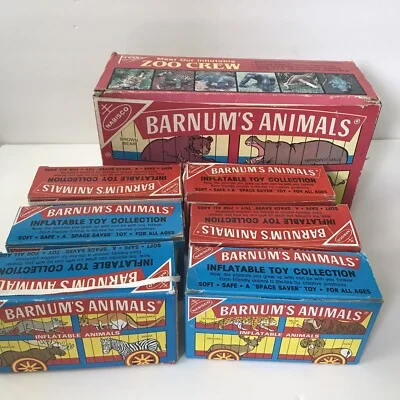
Weebles
$75.00
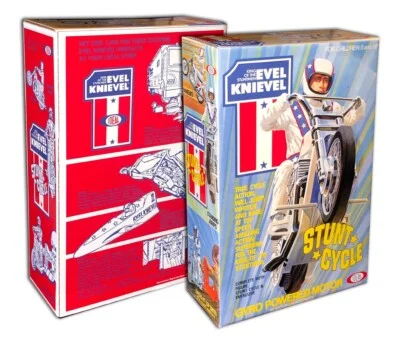
Evel Knievel Stunt Cycle
$1,050.00
🎮 Top 5 Video Games

Gun Fight
$200.00
Pong Doubles
$50.00
Crash 'N Score
Unknown
Indy 800
$500.00
Hi-way
$200.00
⚾ Top 5 Trading Cards

1975 Topps Baseball George Brett Rookie Card
$50,400
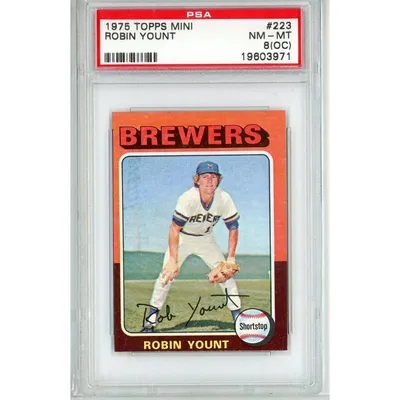
1975 Topps Mini Robin Yount Rookie Card
$30,000.00

1975 Panini Calciatori Diego Maradona Rookie Sticker
$250,000
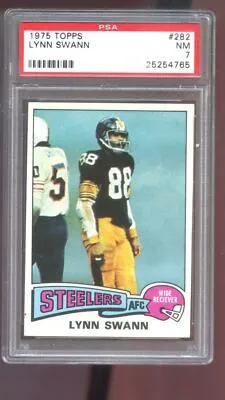
1975 Topps Football Lynn Swann Rookie Card
$2,500

1975 O-Pee-Chee WHA Bob Lemieux Rookie Card
$250,000