







































DailyTimeCapsule brief
November 7, 1974
On November 7, 1974, American politics was marked by the shifting dynamics within the Democratic Party as state Democrats gathered to assess their new role following the Watergate scandal and the resignation of President Richard Nixon. The political landscape was tumultuous, with the Republican Party facing an uncertain future. Pennsylvania Congressman G. William Schwiker expressed his concerns about the GOP's direction, emphasizing the potential for internal divisions. This period also saw increased media competition, with television networks embracing a blend of liberal input and conservative yield as they vied for viewers' attention ahead of the subsequent elections. The country was grappling with economic challenges, including inflation and energy crises, which were influencing the political dialogue across both parties.
Key developments
-
New York State Democrats face significant challenges as they organize their substantial majority in the Assembly while simultaneously addressing the leadership dynamics within the Senate, where they now find themselves in a minority role. The retention of Senator Warren M. Anderson as Majority Leader signifies his continued influence and power in guiding legislative priorities amidst a changing political landscape. This period marks a critical moment for Democratic strategists as they balance their goals and adapt to their shifting roles in state governance.
Wikimedia Current Events -
Schwiker Voices Fear On Future of the G.O.P.
Wikimedia Current Events -
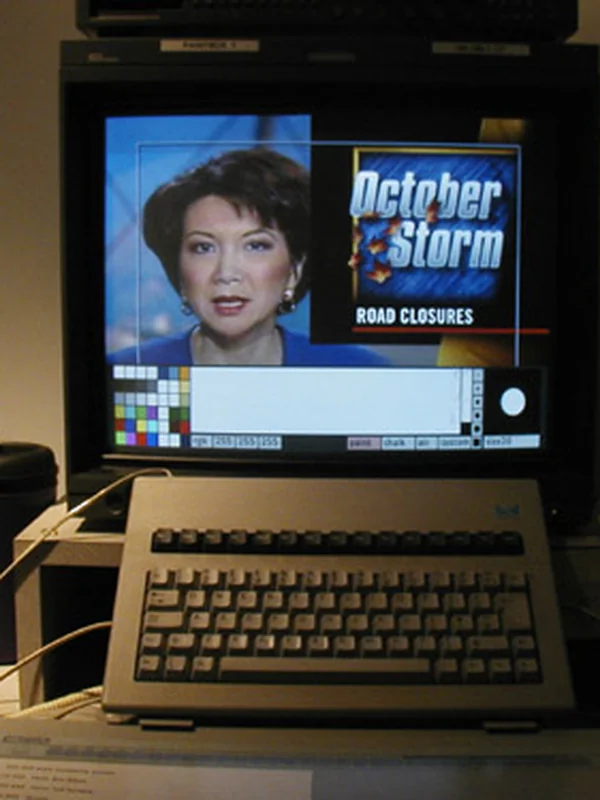
TV: Liberallnput, Conservative Yield. Networks Go All Out in Race With Films
Wikimedia Current Events