





















DailyTimeCapsule brief
September 6, 1974
On September 6, 1974, Oregon implemented new regulations to curb noise levels, reflecting a growing concern for quality of life and individual well-being in urban areas. This legislation came amid a backdrop of increasing environmental awareness and governmental action aimed at improving community standards. The same day, a significant legal development occurred as a suspect in the slaying of actress Sharon Tate was deemed competent to stand trial, reigniting public interest in the notorious case and the broader implications of crime in Hollywood. Meanwhile, U.S. officials issued warnings regarding the dangers of ozone depletion, linking potential nuclear conflicts to environmental catastrophes, which fueled the ongoing debates about nuclear policy and environmental protection during a period marked by the Cold War. The confluence of these events illustrated the complexities of American life in the 1970s, where environmental, legal, and international concerns were intertwining in the public discourse.
Key developments
-
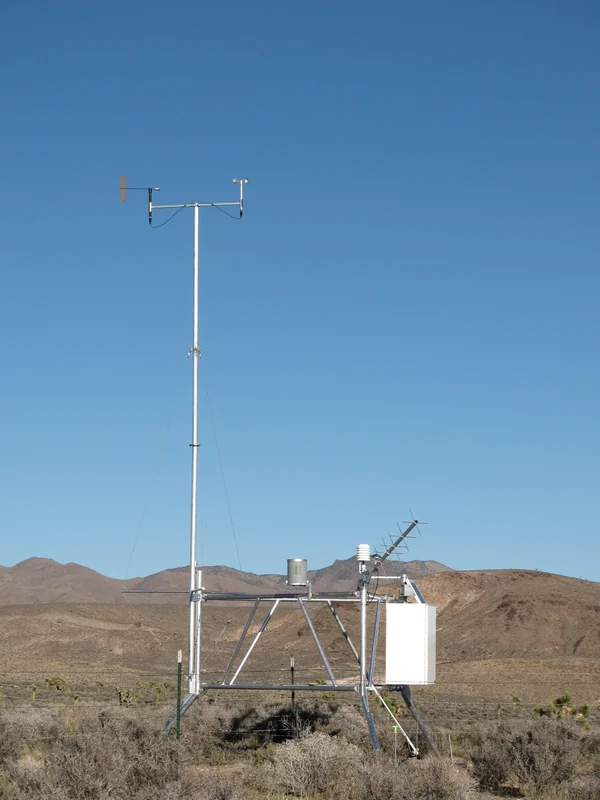
The Oregon Environmental Quality Commission has adopted new regulations to manage noise pollution from industrial and commercial sources. These regulations establish allowable noise levels ranging from 55 to 75 decibels during daytime hours, aiming to protect residents from excessive noise disturbances. The initiative reflects a growing awareness of the impact of noise on quality of life and environmental health in urban and suburban regions.
-
Charles W Yukl has been deemed competent to stand trial in connection with the murder of actress Karen Schlegel in Greenwich Village. The decision comes after evaluations indicated Yukl could understand the proceedings against him and assist in his defense. A grand jury indictment is expected to follow as the legal process unfolds in this high-profile case.
-
In a significant warning, Dr. Fred C. Ikle, the director of the Arms Control and Disarmament Agency, highlighted the catastrophic effects of nuclear warfare on the Earth's ozone layer. He explained that a nuclear conflict could lead to extensive destruction of the stratospheric ozone, which plays a crucial role in shielding life from harmful ultraviolet radiation. This discovery prompted discussions on the need for immediate policy changes regarding nuclear disarmament and environmental protection to safeguard the planet's ecosystems and health.