




































DailyTimeCapsule brief
July 23, 1974
On July 23, 1974, significant political tension enveloped the United States as calls to crisis areas in Washington were curbed amidst the burgeoning Watergate scandal. The Republican Party faced mounting pressure, with GOP counsel expressing wariness regarding the implications of ongoing impeachment proceedings against President Richard Nixon. This climate of uncertainty came on the heels of the recent Supreme Court ruling that forced Nixon to release tape recordings related to the scandal. Meanwhile, in Nassau County, a Democrat was absolved in an inquiry regarding a plot to siphon votes, showcasing the tumultuous political landscape where allegations and investigations were rampant. As America grappled with these issues, international events were relatively subdued, allowing the nation's focus to remain squarely on its internal struggles.
Key developments
-
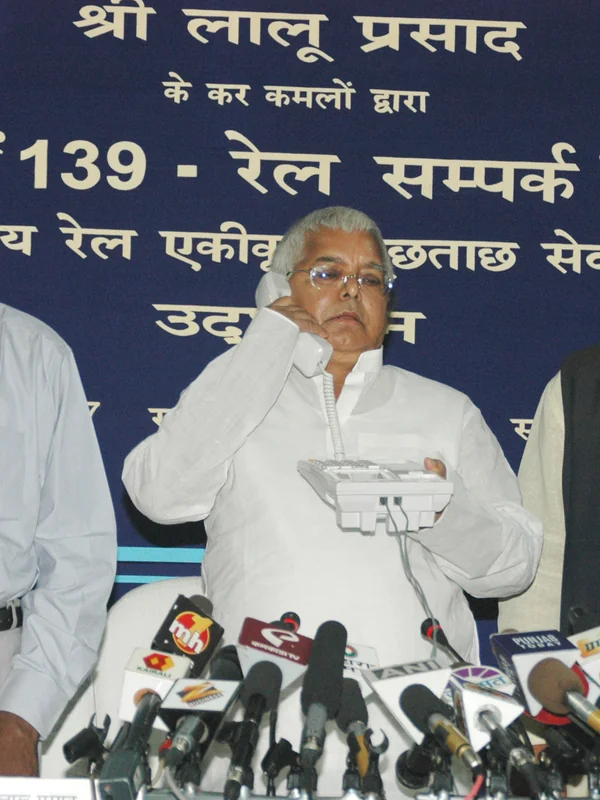
In response to the ongoing conflict in Cyprus, AT&T announced that long-distance calls to Greece, Cyprus, and Turkey would be significantly affected. The telecommunications giant indicated that calls could either not be accepted or would experience long delays, highlighting the impact of geopolitical issues on global communication. This disruption served as a reminder of how international crises can have far-reaching consequences beyond the immediate conflict zone.
-
During a meeting of the House Judiciary Committee, newly appointed Republican counsel Samuel Garrison advised against moving forward with impeachment proceedings against President Nixon unless there was a strong likelihood of conviction in a Senate trial. Garrison emphasized the importance of the evidence available and indicated that proceeding without sufficient grounds could undermine the credibility of Congress. His remarks reflected the significant political and legal considerations lawmakers faced during this tumultuous period in American history.
-
Nassau Democrat Is Absolved In Vote‐Siphoning Plot Inquiry