
































DailyTimeCapsule brief
June 12, 1974
On June 12, 1974, the United States Senate passed a substantial budget of $21.9 billion dedicated to weapons procurement, reflecting the ongoing Cold War tensions and the need for military preparedness. This decision underscored a period of heightened defense spending intended to bolster the nation's security against perceived threats, particularly from the Soviet Union. Meanwhile, in Chile, the military junta continued to struggle with rampant inflation, leading to frustrations even among its supporters, as economic stability remained elusive. In the United States, concerns regarding civil liberties were amplified as complaints over illegal telephone taps surged, with reports indicating that approximately 10,000 instances were recorded annually, raising questions about government overreach and privacy rights during a politically charged era.
Key developments
-
In a decisive vote, the U.S. Senate passed a military procurement bill worth $21.9 billion with a significant majority of 84-6. This legislation aims to enhance the capabilities of the armed forces by providing funding for advanced weapons systems and equipment. The bipartisan support reflects a strong commitment to national defense and military readiness amidst evolving global security challenges.
-
Following the military coup that overthrew President Salvador Allende Gossens, Chile has seen burgeoning inflation rates that the ruling junta struggles to control. This economic turmoil has worsened conditions in impoverished areas like the shantytown of Lo Hermida, where residents face daily hardships exacerbated by rising prices and limited resources. Notably, even supporters of the junta have expressed dissatisfaction with the government's failure to stabilize the economy and address social needs.
-
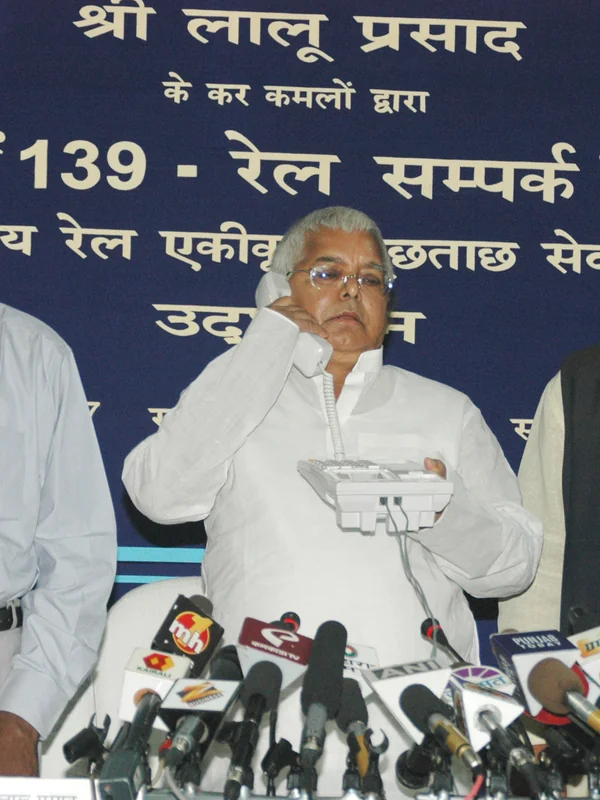
In an alarming report, the HR Foreign Operations and Government Information Subcommittee revealed that the State Department had an extensive network of telephone monitoring devices, outpacing other governmental departments like Justice and Health, Education, and Welfare. With a staggering total of 596 devices, this level of surveillance prompted annual complaints numbering around 10,000, highlighting public anxiety over privacy infringements. The findings raised critical questions about the extent of governmental oversight and the civil liberties of American citizens.