

















DailyTimeCapsule brief
May 12, 1974
On May 12, 1974, the United States was preparing for significant developments in its political landscape as a new hearing was set regarding the controversial appointment of Stephen Deeley. This hearing was part of ongoing scrutiny over government appointments and accountability, reflecting a nation grappling with issues of trust in public officials post-Watergate. Meanwhile, across the globe, rail workers in New Delhi were taking a stand against their working conditions, highlighting labor issues that resonated amid broader economic challenges. The global context also included the Cold War tensions that continued to shape international relations, as the United States and the Soviet Union navigated complex interactions during this period of ideological confrontation.
Key developments
-
A new hearing is scheduled regarding the potential appointment of William J Deeley Jr to the New York State Claims Court. This follows the decision to be made by Governor Wilson's screening panel, which is expected within a week. The appointment holds significance as it will impact the judicial landscape in New York State.
-
The construction of the Alaska oil pipeline in the 1970s led to a significant population increase in remote areas, attracting workers and creating a demand for various services, including prostitution. Local authorities and residents noted that the influx of laborers resulted in a corresponding rise in illicit activities, with some seeing it as an inevitable consequence of rapid industrial development. This phenomenon highlighted the socio-economic challenges faced by isolated communities where economic opportunities clashed with moral and legal concerns.
-
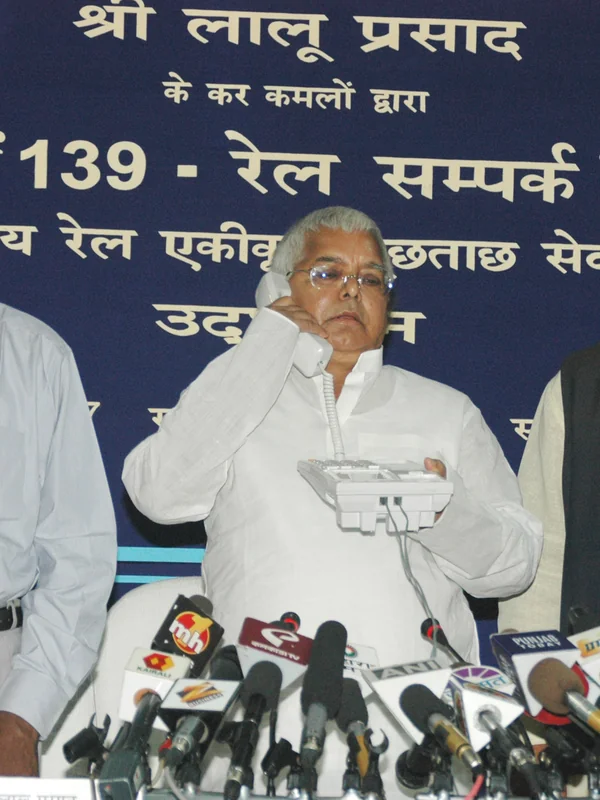
S K Sood, an Indian railway clerk, has voiced his deep frustration regarding the ongoing plight of striking railway workers in New Delhi. He reflects on the era of the 1940s and 50s, when railway jobs were highly coveted, suggesting a significant decline in their desirability over the years. Sood believes that both governmental authorities and labor unions have failed to adequately support or acknowledge the needs of railway workers, leading to widespread disillusionment among his colleagues.