


















DailyTimeCapsule brief
May 9, 1974
On May 9, 1974, significant financial and political developments captured public attention in the United States. Dean, a prominent figure in the real estate market, purchased a coast home for an impressive $100,000, highlighting the ongoing trends of rising property values during the decade. Concurrently, United Brands Company announced a deficit for the quarter, reflecting the economic turbulence faced by many businesses during this period. The political landscape was equally heated, as a Jesuit priest at the White House came forward to defend President Richard Nixon amidst the ongoing Watergate scandal, which was consuming media coverage and public discourse. This defense illustrated the complex interplay between faith, politics, and public perception during a time when trust in government was eroding rapidly. The day unfolded against the backdrop of rising inflation and civil unrest, setting the stage for pivotal changes in American society.
Key developments
-
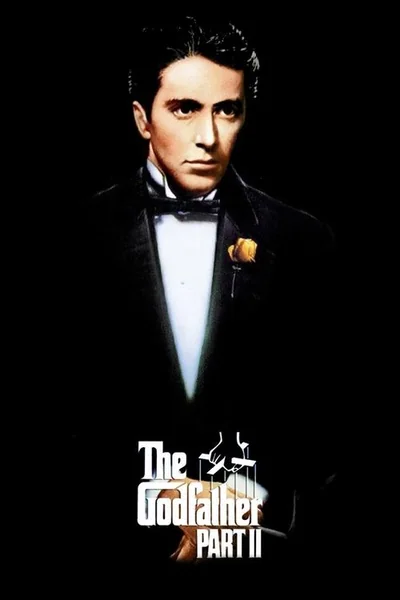
Famed actor Dean has made headlines with his recent purchase of a canyon home near Los Angeles for a reported price of $100,000. This decision appears to stem from a personal motive, as Dean relocated to California to support his wife during a challenging time with her seriously ill mother. The acquisition not only reflects Dean's commitment to family but also highlights the social and economic climate surrounding real estate transactions in the 20th century.
-
In the first quarter of fiscal year 1974, United Brands Company reported a significant deficit of $1.5 million. This financial setback raised concerns among investors and analysts about the company's operational strategies and market performance. The report indicated a challenging economic environment that impacted the agribusiness sector during this time.
-
In a remarkable press conference, Dr. John McLaughlin, a Jesuit priest and special assistant to President Nixon, staunchly defended the president against allegations stemming from the Watergate scandal. His remarks were in direct response to accusations made by Senator H.D. Scott and other Republicans, who condemned the content of recently released Watergate transcripts as morally unacceptable. McLaughlin's defense highlighted the complexities of the political climate at the time, illustrating the divisions within the Republican Party regarding Nixon's actions and the evolving perceptions of leadership integrity.