













DailyTimeCapsule brief
March 9, 1974
On March 9, 1974, significant discussions dominated the political landscape in the United States as the White House took decisive action on energy policy. Amid an ongoing energy crisis, a bill aimed at addressing the country's energy challenges was drawn up, reflecting a growing concern over oil dependency and energy security. This period was marked by widespread inflation and economic uncertainty, making the government's response crucial. In the realm of culture, a young conductor emerged as a noteworthy figure in the music scene, symbolizing a shift towards a new generation of artistic leadership. Meanwhile, the cable television industry grappled with overextension, particularly in urban areas, leading to a retreat as companies reassessed their strategies to remain viable in a changing media environment.
Key developments
-
The New York Philharmonic hosted a memorable concert showcasing the talents of its new conductor, Andrew Davis, who made his debut with the esteemed orchestra. Acclaimed pianist Murray Perahia joined the performance, delivering a captivating rendition that left the audience spellbound. This event marked a significant milestone for both Davis and the Philharmonic, as they embarked on a new artistic journey together.
-
On March 8, federal energy officials collaborated with the White House to draft a new energy bill after a previous version was vetoed by President Nixon. This 'barebones' proposal is set to provide the President with the authority to impose fuel rationing during times of energy crisis. The drafted bill is expected to be shared with key Congress members to garner support and facilitate legislative action.
-
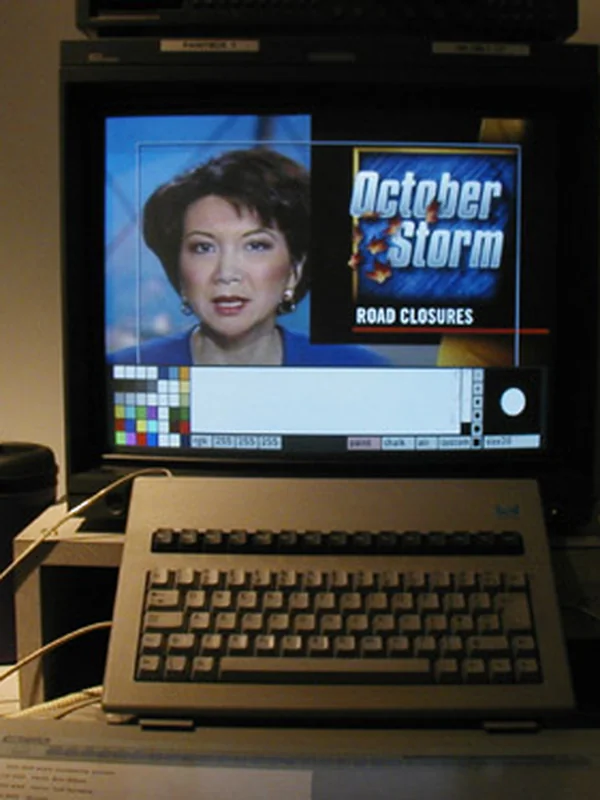
A recent New York Times survey revealed a significant shift in the cable television industry, moving away from urban markets that were once viewed as key opportunities for expansion. Major cable companies have either stopped pursuing additional urban franchises or have given up existing ones, marking a stark contrast to the optimistic predictions made in 1972 regarding cable's potential. This reversal is largely attributed to consumers' increasing preference for alternative streaming services, which offer more flexibility and convenience compared to traditional cable packages.