




























DailyTimeCapsule brief
June 11, 1970
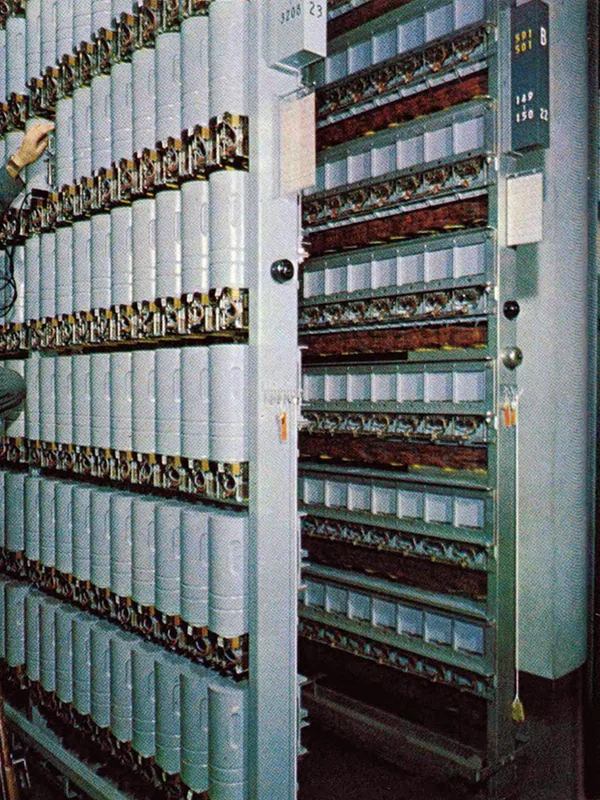
On June 11, 1970, the U.S. Federal Communications Commission mandated a speedier response for the repair of telephone services, a significant move to enhance communication reliability during a time when the reliance on telephony was on the rise. Concurrently, efforts were made to reduce a proposed rate increase for phone services, addressing consumer concerns during an era of economic uncertainty. Globally, tensions escalated in the Middle East, with a Palestinian warning of a looming civil war in Jordan, a situation that would have profound implications for regional stability and U.S. foreign policy in the years that followed. This date fell within a period marked by civil rights advancements and ongoing debates about government regulation versus free market principles, which were hot topics in American society.
Key developments
-
The New York State Public Service Commission (NYS PSC) has mandated that NY Telephone must enhance the efficiency of repairs for its payphones, particularly in downstate locations where prolonged outages have been noted. This directive requires the company to fix reported breakdowns within four hours of detection, addressing ongoing concerns regarding service reliability. The order follows a comprehensive survey by the PSC, highlighting the critical need for improved access to working payphones in urban areas.
-
The Massachusetts Public Utilities Department has sanctioned a significant reduction in the proposed rate increase for New England Telephone, approving a $7.7 million hike instead of the requested $55 million. This decision reflects ongoing regulatory scrutiny over telecommunications pricing and its impact on consumers. The adjustment aims to balance the company’s financial needs with the interests of its customer base, ensuring that essential services remain affordable.
-
In a provocative statement to France-Soir, G. Habash, leader of the Popular Front for the Liberation of Palestine, warned that armed guerrilla factions would initiate a civil war in Jordan if the government attempted to suppress their activities. This warning highlighted the fragile political climate in Jordan during a time when Palestinian groups sought greater autonomy and recognition. The potential for civil unrest raised significant concerns about regional stability and the dynamics of power within Jordan.