














DailyTimeCapsule brief
April 5, 1970
On April 5, 1970, in a notable boxing match, Rouse was stopped by Foster in the fourth round, marking a significant event in the world of sports. At this time, the United States was grappling with various social changes, including the ongoing counterculture movement that sought to challenge traditional norms. The Vietnam War continued to generate heated debates across the country, as protests against U.S. involvement grew. Meanwhile, the television landscape was evolving, with more channels and programming catering to diverse audiences, reflecting the shifting cultural dynamics of the era. The 1970s were characterized by a push for civil rights, women's liberation, and a growing environmental awareness, all of which were shaping American society and its political landscape.
Key developments
-
In a gripping bout for the light-heavyweight title, B Foster delivered a decisive knockout to R Rouse in the fourth round, retaining his championship status. The match showcased Foster's powerful punches and strategic prowess in the ring, as he managed to outmaneuver Rouse despite initial challenges. Rouse, known for his resilience, fought valiantly but was ultimately unable to withstand the relentless assault from the reigning champion.
-
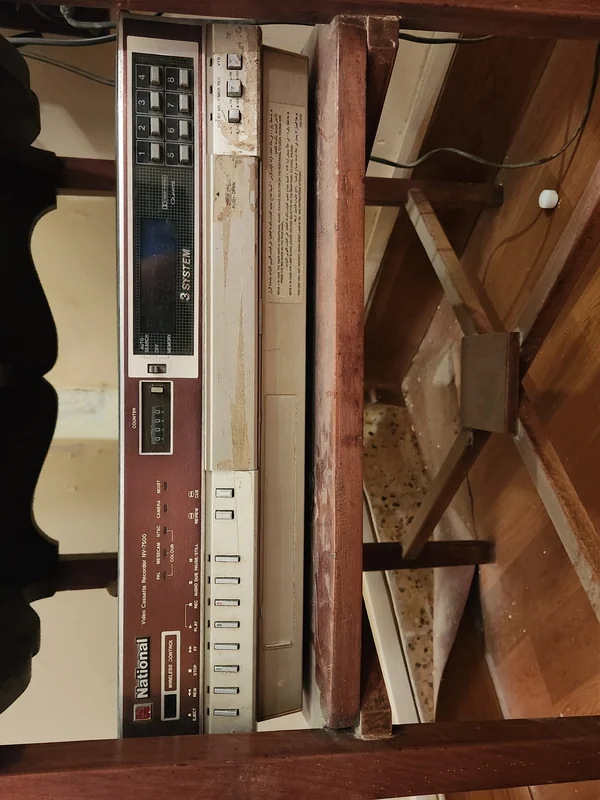
In the mid-20th century, J. Gould developed an innovative electronic video recording (EVR) device aimed at enhancing the effectiveness of instructional television. This technology sought to address the significant barriers that educators faced in delivering consistent and engaging content to students via television broadcasts. By providing a means to record and replay educational material, the EVR facilitated more versatile teaching methods and improved access to information for learners.
-
Lindsay in Reaganland