














DailyTimeCapsule brief
February 13, 1970
On February 13, 1970, negotiations on environmental conservation took center stage as European leaders emphasized the urgent need for coastal protection during a significant summit. This highlighted a growing awareness of environmental issues amidst the backdrop of the Cold War, where East and West Germany were navigating complex political dynamics. Concurrently, East German Chancellor Willy Brandt was initiating dialogues aimed at easing tensions and fostering cooperation, marking a pivotal moment in the Ostpolitik initiative. The discussion of coastal conservation was not merely about the environment but also reflected broader geopolitical strategies, as nations recognized the interconnectedness of ecological health and national security. The U.S. was also engaged in its own domestic challenges, focusing on policies influencing society and the economy, including the ongoing debates about Great Society programs and their implications for government size and fiscal responsibility.
Key developments
-
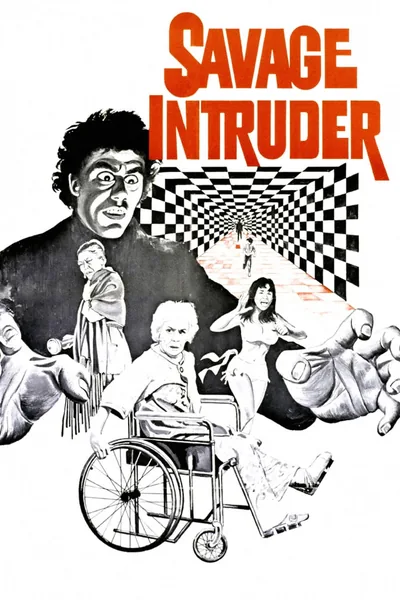
This film highlights the struggles of a Black sheriff navigating the complexities of racial tensions in the South. It depicts a society where deeply ingrained prejudices manifest through various antagonistic characters, showcasing the sheriff's efforts to foster understanding and cooperation amidst hostile environments. While it attempts to address systemic issues, many critics argue that the film ultimately falls into predictable tropes, failing to offer new insights into the struggles depicted.
-
During recent European talks, conferees approved a declaration that urges governments to enhance antipollution efforts and safeguard pristine coastal areas. This declaration, drafted by a team of conservationists led by Boote, serves as a critical call to action, although it is not legally binding. It is anticipated that the declaration will wield considerable influence over governmental policies regarding coastal preservation and pollution control.
-
East German leader Willi Stoph reached out to West German Chancellor Willy Brandt, proposing a conference later that month in East Berlin. The purpose of this meeting was to discuss a treaty aimed at establishing 'normal, equal relations' between the two German states. In response, West German government spokesman C. Ahlers indicated that Brandt would provide a reply the following week, highlighting the ongoing dialogue and diplomatic efforts between East and West Germany during the Cold War.