


















DailyTimeCapsule brief
March 3, 1969
On March 3, 1969, significant diplomatic engagements took place as negotiators conferred with President Richard Nixon regarding the prospects for success in ongoing peace talks, primarily aimed at concluding the Vietnam War. Amidst a backdrop of increasing anti-war sentiment, particularly among younger Americans, high school protests erupted, reflecting a broader societal discontent. Concurrently, Pope Paul VI urged President Nixon to intensify his efforts in fostering global peace and addressing the needs of poorer nations, marking a notable dialogue between church and state at the Vatican. This exchange underscored the interconnection of domestic and foreign policy during a tumultuous time for the United States, as the nation grappled with its role in the world and internal divisions regarding the war effort.
Key developments
-
In Paris, U.S. President Richard Nixon held critical discussions with South Vietnamese leader Nguyen Cao Ky regarding the ongoing peace negotiations aimed at resolving the Vietnam War. During the meeting, Ky notably refrained from mentioning the potential resumption of bombing operations, emphasizing that such decisions rested with the Vietnamese. This crucial dialogue, which also included various allied officials, underscored the complex dynamics at play in the pursuit of a peaceful settlement amidst escalating tensions in the region.
-
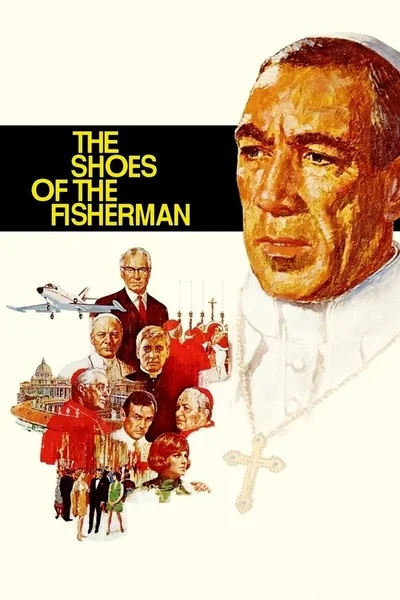
In a significant meeting at the Vatican, President Nixon presented his latest assessment of diplomatic conversations aimed at achieving peace, with a focus on international stability. The Pope emphasized the urgent need for increased humanitarian aid to poorer nations, reflecting the Vatican's commitment to social justice. Their dialogue was characterized by both cordiality and frankness, showcasing a rare moment of collaboration between a political leader and a religious figure addressing pressing global issues.
-
A recent survey conducted by the National Association of Secondary School Principals revealed that nearly 60% of high school principals reported instances of student protests. These protests have emerged as a significant form of expression among the youth, often addressing issues such as social justice, climate change, and educational reforms. The findings indicate a growing trend of political and social awareness among high school students across the nation.