
































DailyTimeCapsule brief
September 6, 1964
On September 6, 1964, the political landscape in the United States was marked by speculation regarding President Lyndon B. Johnson's potential re-election campaign. The question loomed: would Johnson be prepared if he won the upcoming election? Meanwhile, in the world of business, a small company was celebrated for achieving a significant victory in the defense race, highlighting a trend toward innovation and competition in military technology. This day also saw cultural shifts as British long-haired men, proud of their new tonsorial style, faced complaints from barbers about changing trends in grooming. Globally, the Cold War tensions continued to influence American foreign policy, with military and economic strategies being a focal point of political discourse. The civil rights movement was gaining momentum, contributing to a polarized political environment as the nation prepared for the upcoming presidential election.
Key developments
-
As the election approaches, concerns have emerged regarding Will Johnson's preparedness to lead the country if elected. Political commentator Reston highlights Johnson's intense focus on campaign strategies, raising questions about his capacity to transition from electioneering to effective governance. To ensure a smooth transition, Reston emphasizes the urgent need for Johnson to initiate post-election planning and assemble a capable team of officials in advance.
-
Maxson Electronics Corp, a relatively small firm, achieved a significant milestone by successfully outbidding 55 much larger competitors for a lucrative contract worth $23.5 million from the United States Navy. This victory not only highlights the company's innovative capabilities but also marks a pivotal moment in the defense contracting landscape, where agility and expertise can surpass sheer size. The contract will support the development of advanced electronic systems crucial for national defense initiatives.
-
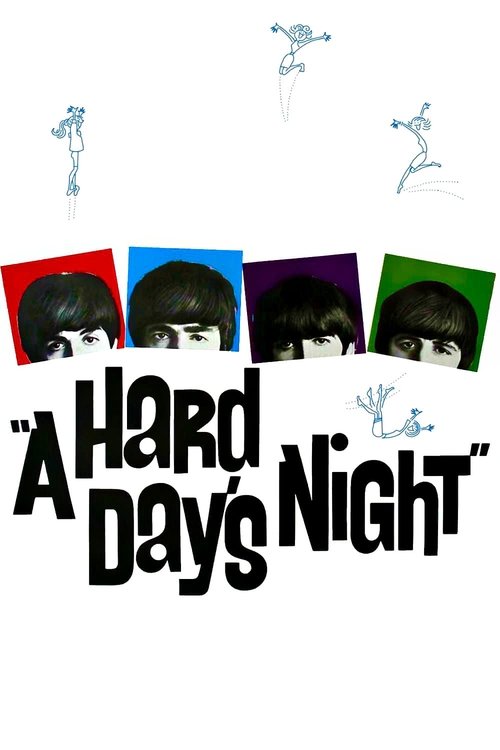
In the 1960s, a cultural shift in Britain emerged as young men embraced long hair, inspired by iconic bands like The Beatles and other popular singing groups. This new tonsorial style marked a departure from traditional masculine grooming, leading to a clash between the youth's fashion statement and the barbershop standards of the time. While many young men proudly displayed their flowing locks, barbers lamented the decline in clientele seeking traditional haircuts, illustrating the broader tensions between generational ideals and societal norms.