




















DailyTimeCapsule brief
October 21, 1961
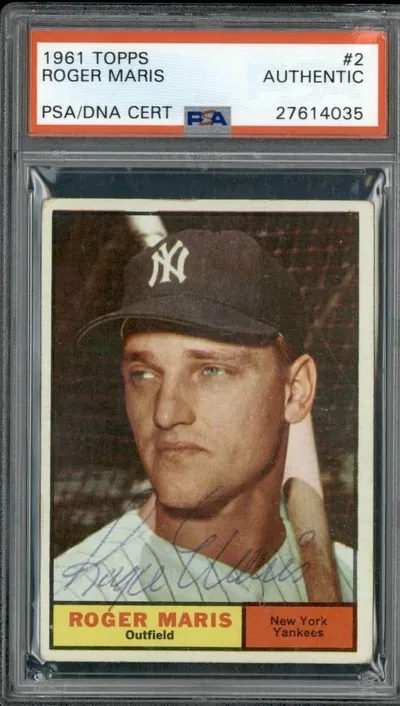
On October 21, 1961, notable events unfolded in the United States reflecting both agricultural advancements and political maneuvers. A calf, named MARIS-61, was shipped to the Governor of Michigan, a gesture facilitated by the philanthropist John D. Rockefeller, showcasing the intersection of agriculture and state governance. In educational policy, Governor Richard J. Hughes of New Jersey backed increased college aid, arguing it was in the state's interest, signaling a commitment to fostering higher education amid post-war economic expansion. Meanwhile, in local governance, the Mayor signed a bill that abolished the City Theatre tax, a move applauded by theatergoers as it kept ticket prices stable—a notable win for consumers amidst rising costs. This day reflected a blend of agricultural achievement, political support for education, and local economic adjustments, all characteristic of the evolving American landscape during the early 1960s.
Key developments
-
In a significant gesture, the MARIS-61 calf was farmed out and shipped to the Governor of Michigan, showcasing the interconnectedness of state and agricultural initiatives in the early 20th century. This event highlights the role of influential figures such as John D. Rockefeller, who played a pivotal role in advancements in farming and animal husbandry. Swainson receiving the calf symbolizes the collaborative partnership between government and private enterprise in promoting livestock improvement.
-
Governor Hughes emphasized the importance of increased financial support for higher education in New Jersey, stating it aligns with the state’s long-term growth and development goals. At the Glassboro State Teachers College, he outlined proposed measures to enhance aid for students, advocating that accessible education is a cornerstone of a prosperous society. Hughes' initiative reflects a broader commitment to improving educational opportunities and workforce readiness in the state.
-
In a significant legislative move, the mayor has officially signed a bill that abolishes the 5% tax on legitimate theatre tickets, a measure that has stirred debate among local arts advocates. This change aims to make theatre more accessible to the general public, allowing for potentially increased attendance and support for the arts sector. Despite the removal of the tax, the price of tickets will remain unchanged, indicating a commitment to maintaining existing revenue streams for theatre productions.