































DailyTimeCapsule brief
November 19, 1960
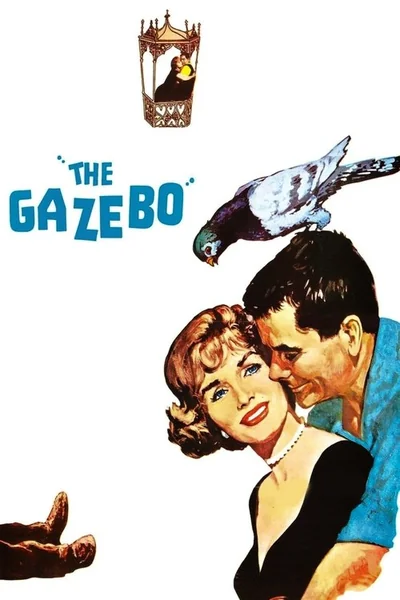
On November 19, 1960, actress Anne Francis filed for divorce, a move that caught the attention of the media given her status in the entertainment industry. The day was also marked by significant geopolitical discussions as the United Nations barred any delay on the debate concerning the Congo, explicitly rejecting requests from India and Ghana to postpone talks on the seating of Joseph Kasavubu. This debate was crucial as tensions in the Congo were escalating, influenced by Cold War dynamics. Meanwhile, the Soviet Union cautioned Cuba to soften its aggressive stance towards the United States, as the Kremlin recognized the importance of maintaining a stable relationship with Washington amidst rising tensions in Latin America. These events were occurring in a complex international environment shaped by decolonization and ideological competition during the Cold War.
Key developments
-
In 1961, actress Anne Francis made headlines by seeking a divorce from her husband, actor and producer, Robert F. McCarthy. Their marriage, which lasted only a few years, drew public interest not only due to Francis's rising fame but also the societal norms surrounding divorce in Hollywood at the time. This event reflected the changing attitudes towards marriage and separation in the entertainment industry during the early 1960s.
Wikimedia Current Events -
The United Nations General Assembly voted 51-36, with 11 abstentions, to reject a proposal from Ghana to suspend the debate on seating Congolese leader Joseph Kasavubu. This decision was significant as it demonstrated the Assembly's commitment to addressing the issue of governance in the Congo amid ongoing political turmoil. Additionally, Boland's actions to block India's move to defer the debate and the proposal for a compromise by President Youlou of the former French Congo highlighted the complexity and urgency of the situation.
Wikimedia Current Events -
In a strategic advisement reflecting the complexities of Cold War politics, the Soviet Union cautioned Cuba to temper its aggressive rhetoric towards the United States. This guidance came amidst growing concerns within the Kremlin about Fidel Castro's diplomatic approach, which was perceived as increasingly alienating not only the US but also other Latin American states. The USSR highlighted that fostering better relations with Washington was a top priority for Cuba, given the geopolitical stakes involved in maintaining regional influence and stability.
Wikimedia Current Events