




















DailyTimeCapsule brief
May 16, 1960
On May 16, 1960, the ongoing tensions in the United States' rail industry were exemplified by accusations against railroads for violating the Interstate Commerce Act. This day also saw Pope John XXIII conveying a message of hope for peace, particularly directed towards veterans of the Battle of Cassino, which had been pivotal during World War II. Meanwhile, the United States was grappling with the complexities of space exploration as uncertainties surrounded the re-entry of Soviet astronauts, a reflection of the broader space race between the U.S. and the USSR. The global political landscape was marked by these military and scientific endeavors, underlining the tensions of the Cold War era. The day was framed by significant concerns regarding both infrastructure and international relations, revealing a time of rapid change and challenge for America and the world.
Key developments
-
In a significant protest in New York City, approximately 500 railroad workers gathered to voice their opposition to charges of featherbedding against the railroads. Representative Zelenko delivered a speech asserting that the railroad companies violated the 1958 Railroad Act by eliminating essential jobs, which has raised concerns about the integrity of labor practices within the industry. The rally highlighted the ongoing struggle for workers’ rights and the impact of corporate decisions on employment and livelihoods in the railroad sector.
-
Pope John delivered a heartfelt message to veterans of the Battle of Monte Cassino, who gathered to commemorate the historic conflict that took place during World War II. The Pope emphasized the vital importance of peace and reconciliation, urging veterans from 14 nations to reflect on their shared experiences and the lessons learned from the ravages of war. This gathering not only honored those who fought but also served as a reminder of the ongoing need for dialogue and unity among nations.
-
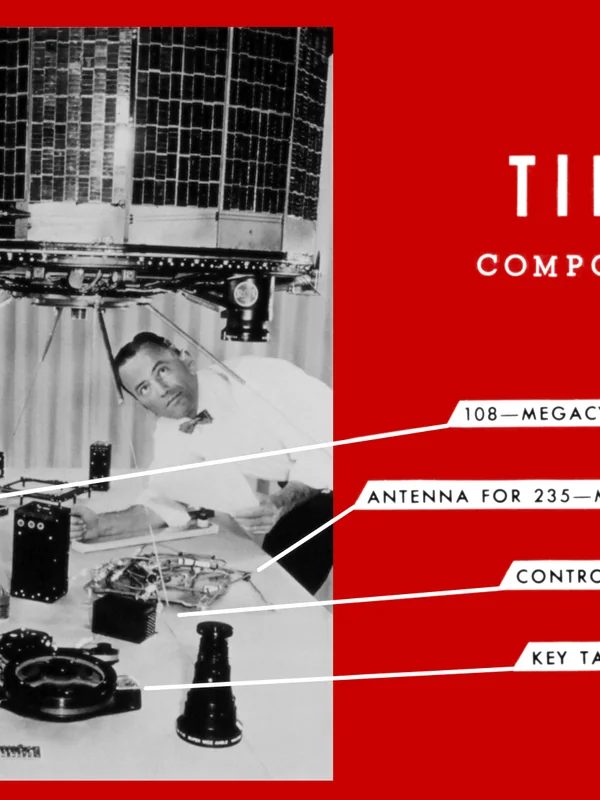
In the early 1970s, the Soviet Union faced immense challenges regarding the safe re-entry of their spacecraft, leading to concerns about the fate of astronauts returning from missions. U.S. experts analyzed the situation, noting that the technical difficulties involved in re-entry could result in significant risks for the crew. Speculation arose that the Soviets might not reveal the status of their astronauts after a mission, highlighting the intense competition and secrecy that defined the Cold War era in space exploration.