



















DailyTimeCapsule brief
April 26, 1960
On April 26, 1960, the highly publicized COBALT trial concluded in a deadlocked jury, leaving many questions unanswered about the case's ramifications. This trial, which revolved around issues of military and civilian defense and atomic energy, mirrored the growing tensions of the Cold War era. Meanwhile, the California Supreme Court upheld the conviction of George Chessman, a notorious criminal, thereby rejecting his appeal and highlighting ongoing debates regarding capital punishment. In a positive contrast, U.S. Secretary of Defense Thomas Gates assured the American public during an Associated Press luncheon that the nation's defense forces were adequately prepared, attempting to quell fears of potential attacks amidst Cold War anxieties. These events unfolded against a backdrop of increasing international tensions and domestic policy discussions as the United States navigated a complex geopolitical landscape.
Key developments
-
The legal case brought by B M Zawacki against S Tour & Co Consultants highlighted the dangers of exposure to cobalt-60, a radioactive isotope. Zawacki alleged that his contact with this hazardous material during his employment in 1956 caused significant health issues, leading to a demand for $500,000 in damages. The jury's inability to reach a unanimous verdict resulted in a deadlock, leaving the outcome uncertain and highlighting the complexities involved in litigation surrounding industrial safety and worker health rights.
Wikimedia Current Events -
In a landmark decision, the High Court has officially rejected the appeal filed by Caryl Chessman, a convicted criminal who became a national figure due to his controversial death penalty case. Chessman, who maintained his innocence, made a poignant comment expressing his belief that judicial processes were not justly administered. The rejection of his appeal further ignited discussions about the death penalty and the rights of the accused in the 20th century American legal system.
Wikimedia Current Events -
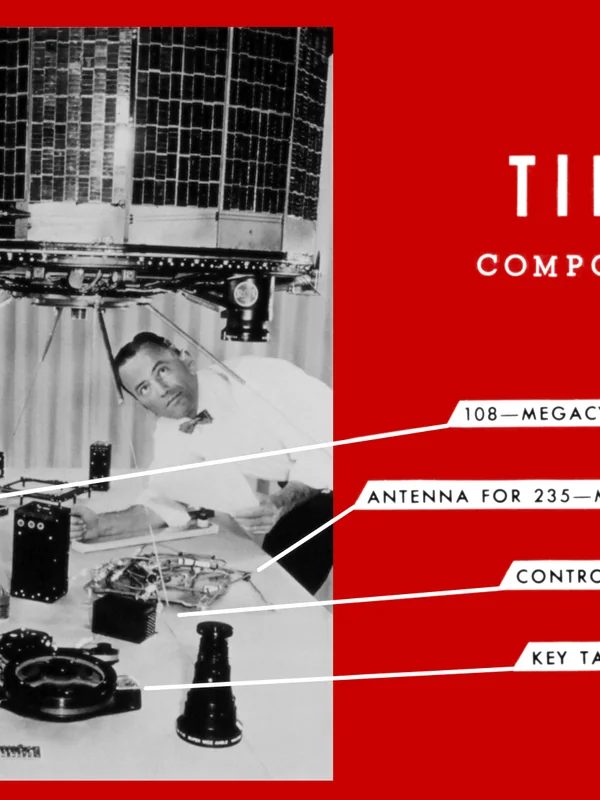
During a luncheon hosted by the Associated Press, Secretary of Defense Robert Gates addressed concerns regarding the United States' defense capabilities. He emphasized that the nation's forces are well-prepared and that recent advancements in satellite and probe technology have positioned the U.S. favorably compared to the USSR. Gates reassured attendees that the increased scientific value and number of U.S. space assets make a potential attack unlikely.
Wikimedia Current Events