



















DailyTimeCapsule brief
March 23, 1960
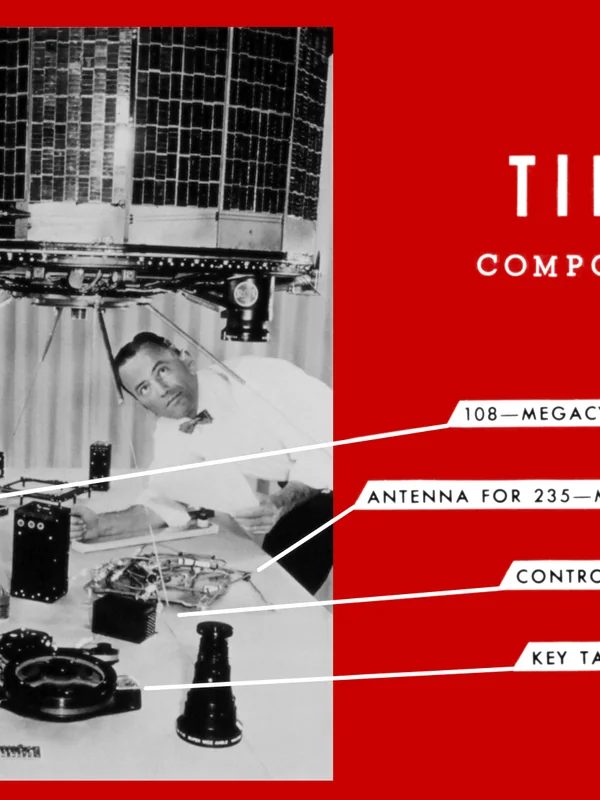
On March 23, 1960, significant political and scientific events unfolded in the United States. The House panel rejected a measure aimed at regulating secondary boycotts, a contentious issue that highlighted the ongoing debates over labor rights and business freedoms. President Dwight D. Eisenhower responded to Soviet Premier Nikita Khrushchev's expressions of gratitude for the safe return of four American fliers, reflecting the complex diplomatic relations of the Cold War era. Meanwhile, advancements in science were noted as the U.S. Navy announced the operation of a Twin-Antenna Observatory at Cal Tech, aimed at locating and analyzing radio noise. This blend of political challenges and scientific progress characterized the evolving landscape of American society during this time.
Key developments
-
The House Committee has decisively rejected a bill proposed by Representative Griffin aimed at regulating secondary boycotts. This decision signals ongoing debates over labor rights and the power of unions, with significant implications for future legislative efforts. The rejection highlights the challenges faced by lawmakers in addressing the complexities of labor relations and consumer activism in a modern economy.
-
EISENHOWER REPLIES; Acknowledges Khrushchev's Thanks for Rescue of 4
-
NAVY IS CHARTING NEW RADIO STARS; Twin-Antenna Observatory Operated by Cal Tech Plots 'Noise' Points