





















DailyTimeCapsule brief
November 24, 1957
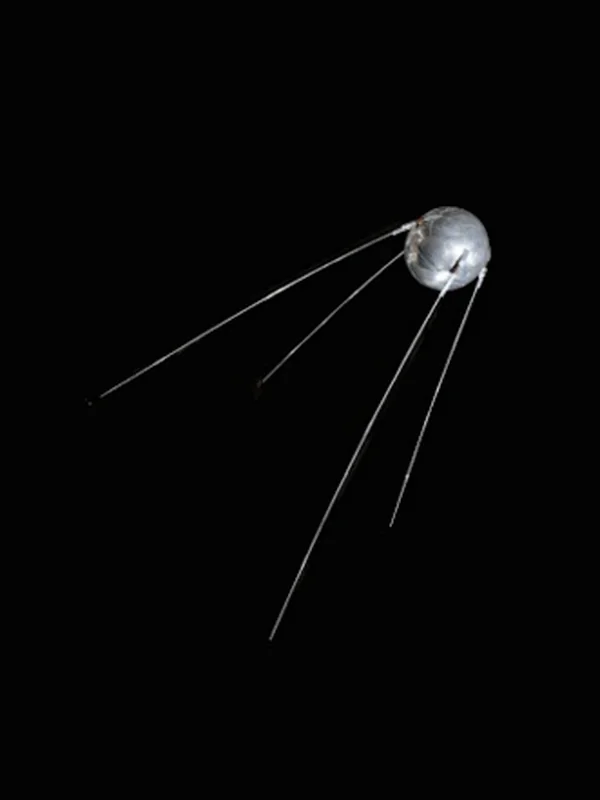
On November 24, 1957, Charles Dickenson, a former soldier who had received a dishonorable discharge for desertion during the Korean War, completed his jail term. Despite his release, Dickenson expressed bitterness towards the Army, reflecting broader sentiments among veterans grappling with the fallout of the war. In the same month, the United States was engaged in significant geopolitical tensions, as Cold War dynamics intensified with the recent launch of Sputnik by the Soviet Union. Domestically, the American economy was experiencing post-war growth, yet concerns about consumer products, such as the 'wash-and-wear' clothing, were surfacing, as misleading claims threatened this burgeoning market. Additionally, the world of art was highlighted by exhibitions featuring modern masters, such as Walt Kuhn, indicating a vibrant cultural landscape amidst these challenges.
Key developments
-
On November 24, 1957, Dickenson was released after completing his jail term for desertion during the Korean War. Despite his release, he expressed bitterness toward the Army, indicating unresolved feelings about his past. He plans to pursue a career in ministry, suggesting a shift from his controversial past.
-
On November 24, 1957, an exhibition featured the master drawings of Walt Kuhn, showcasing his unique approach to landscapes. The event highlighted Kuhn's influence on both American and European art movements. Art enthusiasts gathered to appreciate the modern techniques and vivid expressions in his work.
-
On November 24, 1957, manufacturers of wash-and-wear garments expressed concern over misleading claims potentially harming the industry. They feared consumer backlash against these deceptive marketing practices. In response, they initiated efforts to establish standardized labeling for such products.