





























DailyTimeCapsule brief
November 5, 1957
On November 5, 1957, the U.S. legal system made headlines with a court ruling that upheld a ban on Teamsters Union leader Jimmy Hoffa, pending a trial to determine the legality of his actions. This significant legal decision came amidst growing concerns over corruption and organized crime within labor unions, which had become a focal point of American politics. At the same time, in the realm of science and international relations, speculation arose regarding a potential Soviet rocket launch aimed at the Moon, escalating fears during the Cold War era. This period saw the United States and the Soviet Union fiercely competing in technological advancements, particularly in space exploration. The atmosphere was charged with anticipation as scientists pondered the implications of such a launch, with the possibility of the Russians making significant strides towards lunar exploration, thereby intensifying the space race between the two superpowers. Concurrently, the judicial appointment of new judges for St. Thomas highlighted ongoing changes in local governance, further shaping political dynamics in the region.
Key developments
-
On November 5, 1957, Judges Maris and Staley were officially assigned to the judicial system in St. Thomas. This appointment was part of efforts to enhance the legal framework in the region. Their roles aimed to ensure fair and efficient justice in the community.
-
On November 5, 1957, an appeals court upheld a preliminary injunction that prevented Jimmy Hoffa from taking office pending a trial regarding the legality of a vote. The judge found sufficient grounds to suspect illegality in the election process. This ruling was a pivotal moment in Hoffa's career and the broader narrative of labor union politics in the United States.
-
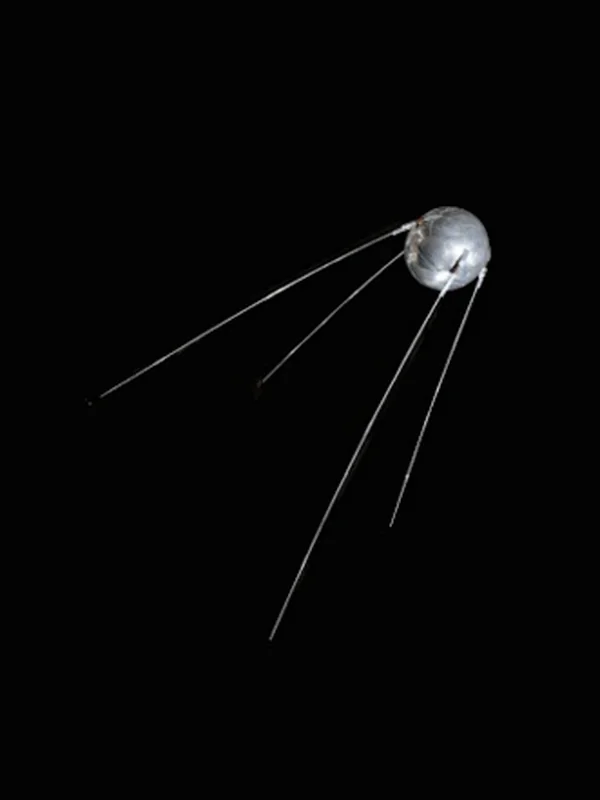
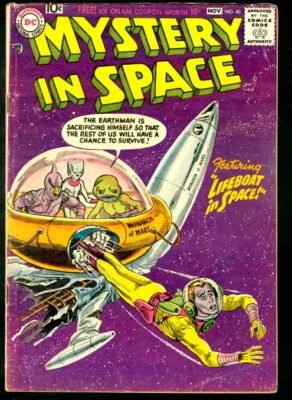
On November 5, 1957, scientists speculated that the USSR might launch a rocket towards the Moon during a lunar eclipse on November 7. This potential act, perceived as a display of power, was thought to involve an H-bomb rocket to create a spectacular 'fireworks' event. The speculation reflected the heightened tensions of the Cold War and the competitive race in space exploration.