










































DailyTimeCapsule brief
October 18, 1957
On October 18, 1957, the Federal Communications Commission (F.C.C.) announced it was ready to test a new service called Toll-TV, opening applications to all systems for extensive trials under strict guidelines. This marked a significant step in the evolution of television and broadcasting technology, as the F.C.C. sought to expand the industry's capabilities and explore new funding avenues. Meanwhile, in Argentina, 32 unions opposed a potential strike call, indicating labor unrest and economic tensions in the country. Back in the United States, Boeing expressed concerns about a potential cut in payments that could lead to a decrease in the production of the B-52 bomber, a vital component of American military strategy during the Cold War. This day was marked by significant developments in communication technology, labor relations, and defense policy.
Key developments
-
On October 18, 1957, the FCC announced the opening of applications for toll television systems to undergo three-year trials. These trials would adhere to strict regulations, including limiting test methods to no more than three cities, each with four TV outlets. Three systems, including one from Zenith, were reported ready for testing.
-
On October 18, 1957, 32 Argentine labor unions came together to oppose a nationwide strike that was being called. Their collective action reflected a significant moment in the labor landscape of Argentina during the mid-20th century. This event underscored the divisions within the labor movement and the differing priorities among various factions.
-
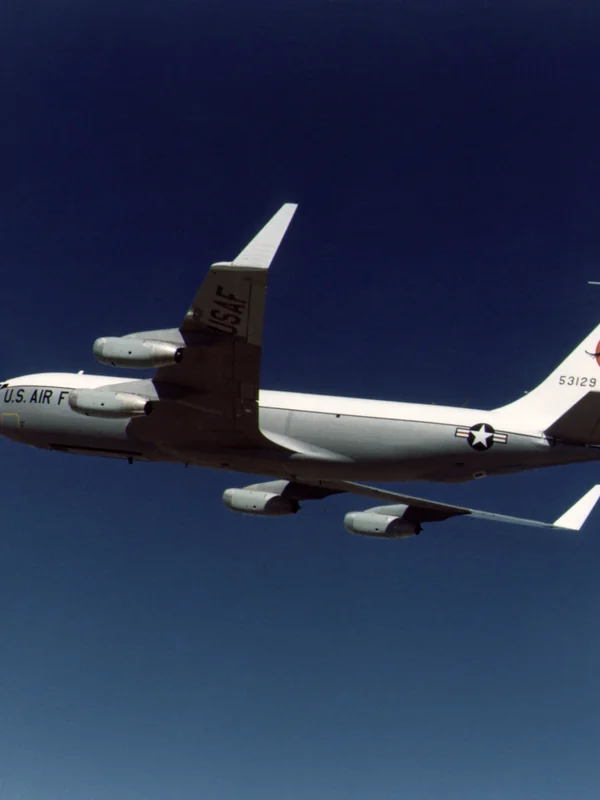
BOEING GIVES WARNING; Says Payment Cut May Force B-52 Production Drop