












































DailyTimeCapsule brief
October 8, 1957
On October 8, 1957, the successful launch of the American satellite Vanguard 1 marked a significant milestone in the Space Race, aiding U.S. relations in India while diverting public attention from the ongoing integration turmoil in Little Rock, Arkansas. This period was characterized by heightened tensions surrounding civil rights, with the struggle for desegregation in schools leading to national debates on individual freedoms and state intervention. The satellite, which was designed to gather data about the Earth’s atmosphere, illuminated America's advancements in technology amidst international rivalries. As U.S. diplomats pointed out the satellite's positive reception in India, experts noted that the integration difficulties in Arkansas were causing lasting repercussions on America's social fabric, drawing unfavorable comparisons to caste discrimination in other parts of the world. Meanwhile, the scientific community celebrated the creation of STARLIGHT, a sodium glow phenomenon that was reported to be ten times brighter than Venus, reflecting the innovative spirit of the time. Additionally, amateur radio operators, affectionately known as 'hams', were gearing up to send coded messages to Moscow as a part of a growing interest in global communication technologies.
Key developments
-
On October 8, 1957, the U.S. launched a satellite as part of a broader strategy to strengthen ties with India amidst ongoing domestic challenges in Arkansas, particularly concerning school integration. The integration difficulties in Little Rock were highlighted as causing a negative perception of America internationally, drawing parallels to caste bias in India. This event marked a critical moment as it underscored the interconnectedness of U.S. foreign relations and domestic civil rights struggles.
-
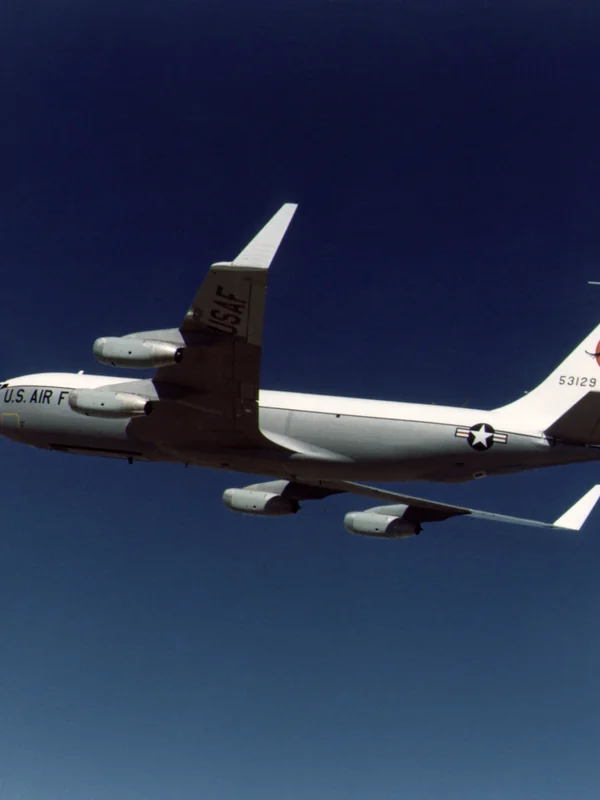
On October 8, 1957, the USAF Geophysics Research Directorate announced a significant advancement in artificial lighting by creating starlight using sodium released at an altitude of 17 miles. This artificial starlight was reported to be ten times brighter than the natural light emitted by Venus. This groundbreaking achievement opened new possibilities in atmospheric research and illumination technology.
-
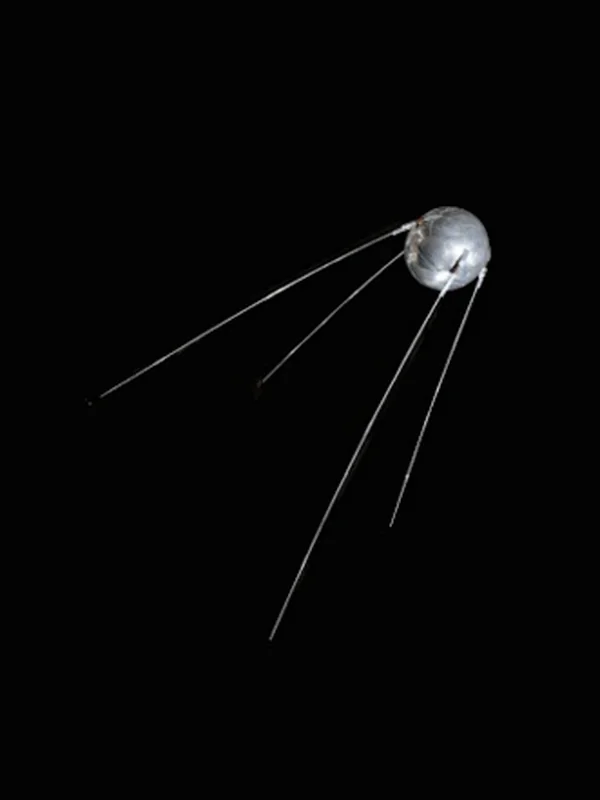
On October 8, 1957, Moscow radio announced that the Soviet Union would be sending special cards to amateur radio operators, known as 'hams', to report on satellite activity. This initiative was part of the broader excitement surrounding the launch of Sputnik, the first artificial satellite. The cards were intended to encourage communication and acknowledgment of the satellite's journey around the Earth.