
















DailyTimeCapsule brief
April 18, 1957
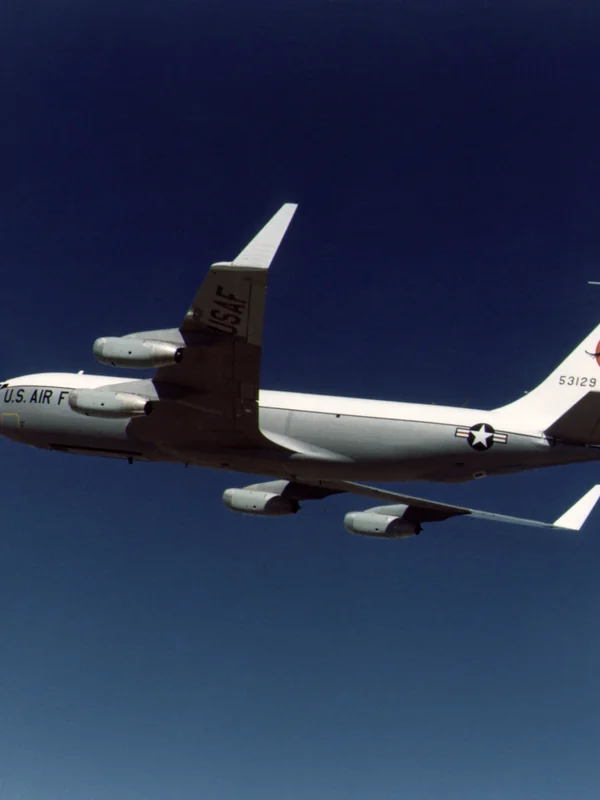
On April 18, 1957, a significant labor dispute unfolded in New York City as the State Chamber of Commerce urged Governor Nelson Rockefeller to intervene in a critical subway strike that threatened to disrupt public transportation. The strike was indicative of the broader labor tensions in the post-war United States, where unions were gaining power and influence. Meanwhile, in a show of military readiness, the U.S. Air Force ordered new radar equipment to enhance its capabilities during the Cold War, reflecting the ongoing arms race and the necessity for advanced technology in national defense. Additionally, reports emerged of Communist units relocating their state and national offices, which heightened concerns about domestic security and the influence of communism in America. This period was marked by an awakening awareness of global tensions and the balancing act of civil liberties against national security needs.
Key developments
-
On April 18, 1957, the New York State Chamber of Commerce called upon Governor W. Averell Harriman to intervene in the ongoing strike involving the H&M Tube Company. The strike had significant implications for transportation and commerce in the region. The urgency of the situation underscored the importance of government intervention in labor disputes during this era.
-
On April 18, 1957, the Communist Party of the USA announced its relocation of state and national quarters to 23 W. 26th St. in New York City. This move was seen as a strategic shift during a time of heightened Cold War tensions. The new location aimed to strengthen organizational efforts and outreach within the urban center.
-
Air Force Orders Radar Gear