


















DailyTimeCapsule brief
February 19, 1957
On February 19, 1957, President Dwight D. Eisenhower prepared to fly to Washington D.C. amid escalating tensions in the Middle East. The Mideast crisis was deepening, prompting the President to alter his vacation plans to address the situation with Secretary of State John Foster Dulles and congressional leaders. The geopolitical landscape was tense, particularly as Yugoslavia began to lose its status as a haven amidst rising tensions involving the Soviet Union. Meanwhile, accusations surfaced from Britain, claiming Greece was assisting in the uprising in Cyprus, provoking a vigorous denial from Greek officials regarding the alleged arms shipments. This day reflected the intricate balance of power and diplomacy required during the Cold War era, as nations navigated both alliances and accusations.
Key developments
-
In February 1957, Hungary began reinforcing its borders with barbed wire and patrols to prevent the exodus of refugees. Many individuals who had fled to Yugoslavia were forced to return, unable to find safety elsewhere. Despite seeking new opportunities, thousands applied for visas to countries like the US, Canada, and Australia.
-
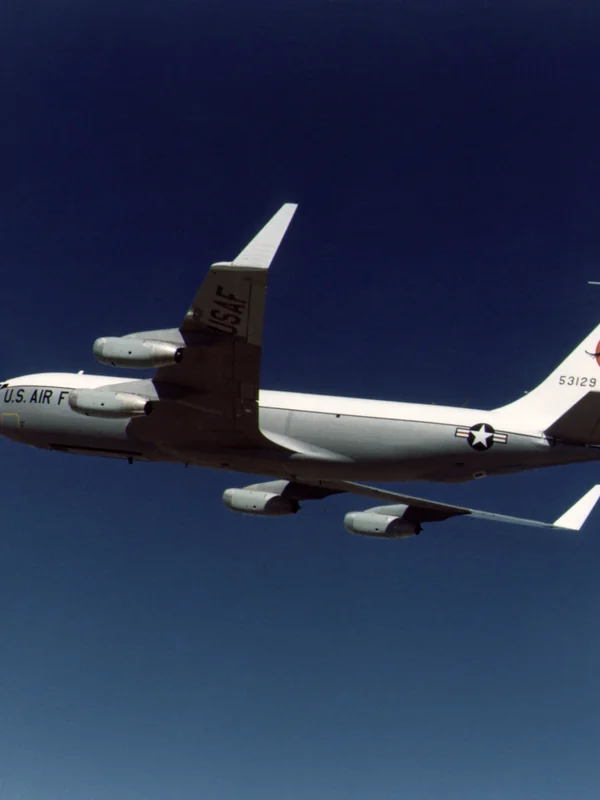
On February 19, 1957, President Dwight D. Eisenhower cut short his vacation to address the escalating Mideast crisis. He flew to the capital for meetings with Secretary of State John Foster Dulles and Congressional leaders. The decision came amidst speculation about whether a new proposal would be presented to Congress.
-
On February 19, 1957, tensions escalated as Britain accused Greece of supporting the Cypriot rising against British rule. In response, Greece denied supplying arms and defended the exile of Archbishop Makarios. The situation highlighted a growing conflict over Cyprus' future amid ongoing colonial struggles in the region.