






































DailyTimeCapsule brief
December 9, 1955
On December 9, 1955, the New York State Thruway began selling $20 permits, marking a significant moment in the development of interstate travel infrastructure. This initiative aimed to enhance connectivity and improve commerce across the state, aligning with post-war growth trends in America. Concurrently, the global landscape was marked by rising tensions as Ceylon (now Sri Lanka) took measures to combat communist influences by cutting supply lines, reflecting the ongoing Cold War. In the United States, advancements in technology were highlighted by women increasingly entering the electronics field, showcasing a shift in societal roles and professional opportunities. The backdrop of these events included a booming economy and a societal focus on consumerism and innovation, indicative of the mid-20th century American ethos.
Key developments
-
On December 9, 1955, permits for the New York State Thruway for the upcoming year were offered for sale at a price of $20. This initiative aimed to streamline travel on one of the nation’s earliest interstate highways. The low cost encouraged increased usage of the Thruway, enhancing regional connectivity and economic growth.
-
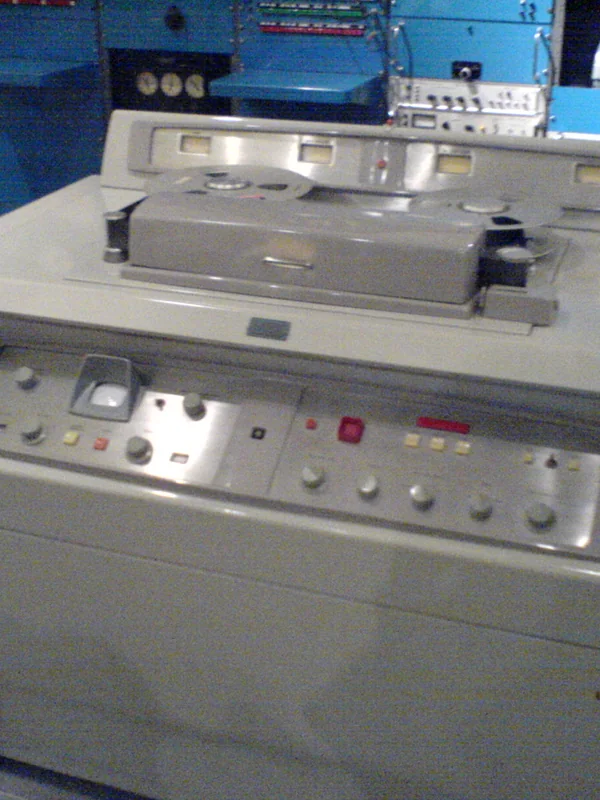
On December 9, 1955, Dr. F Bauer was highlighted for her groundbreaking role at Reeves Instrument Corporation. Her work challenged gender norms and showcased women's capabilities in the male-dominated field of electronics. This event marked a pivotal moment in the recognition of women's contributions to technology.
-
On December 9, 1955, the Ceylonese government took decisive action to curb the influence of Communist organizations within the country. This was achieved by cutting off their supply lines, including the flow of information and funding from abroad. The government's measures aimed to thwart the growing communist movements that were seen as a threat to national stability.