



























DailyTimeCapsule brief
April 15, 1955
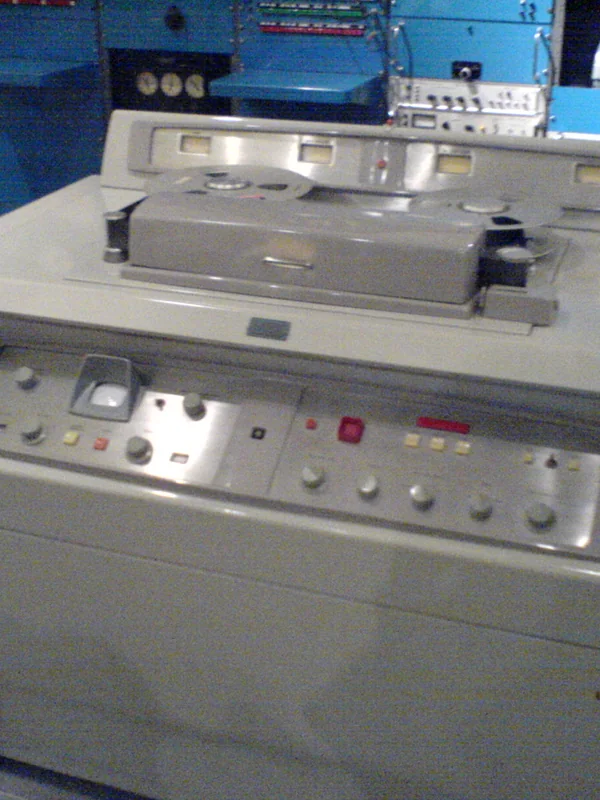
On April 15, 1955, a meeting sponsored by the Congress of Industrial Organizations (C.I.O.) convened, revealing a deep divide among experts regarding the implications of automation in the workforce. This contentious discussion highlighted the dual nature of technological advancements as both beneficial and potentially threatening to job security. In a world still recovering from the economic strains of the previous decades, the rise of automation was seen as a transformative force that could reshape industries and labor markets. Meanwhile, Consolidated Edison (Con Ed) faced scrutiny as a spokesman announced the possibility of dropping natural gas usage due to price hikes attributed to a decontrol bill. Amidst these economically charged discussions, it was noted that industry on Long Island was experiencing growth, showcasing a complex landscape of industrial relations and economic recovery in mid-20th century America.
Key developments
-
In April 1955, the CIO hosted a national conference in Washington to discuss the complex implications of automation on the workforce. Experts, including J. Diebold, Professors D.P. Campbell and W.S. Buckingham, and W.P. Reuther, presented differing views on automation’s potential benefits and challenges. Senator O'Mahoney highlighted the need for Congress to study the public policy ramifications of this technological advancement.
-
On April 15, 1955, R J Leboeuf Jr, a representative of Consolidated Edison, testified before a House committee regarding the rising costs of natural gas. He criticized the use of escalator clauses in contracts that contributed to these price hikes. The ongoing debate over natural gas pricing could lead to significant changes in the utility's operations and energy sourcing.
-
On April 15, 1955, the Economic Development Administration reported a significant net income gain of $995 million for the year 1954. This surge in income also coincided with the establishment of 70 new factories, highlighting a booming industrial sector. Such developments marked a pivotal moment in the economic landscape of the region, indicating growth and investment opportunities.