






















DailyTimeCapsule brief
October 7, 1954
On October 7, 1954, former President Herbert Hoover was honored by his former aides with the presentation of a flag from the Commerce Bureau, reflecting on his happiest days as Secretary of Commerce. Hoover's continued engagement with public service underscored his belief in the value of government as a tool for individual liberty and economic growth. Meanwhile, concerns about film displays prompted the License Commissioner to schedule a hearing regarding complaints about establishments on West 42nd Street, a reflection of the growing scrutiny over public morality in entertainment. On the international stage, Secretary of State John Foster Dulles indicated that the Trieste Pact might pave the way for a new economic and military alliance with Yugoslavia, suggesting a shift in Cold War dynamics as the United States sought to stabilize relationships in Europe.
Key developments
-
On October 7, 1954, former President Herbert Hoover was honored with the official flag of the Commerce Department to commemorate his tenure as Secretary of Commerce. He was welcomed by 800 employees who had served under him, reflecting his lasting influence and relationships. Hoover expressed that his happiest times were during his days in the Commerce Department, underscoring his dedication to public service.
-
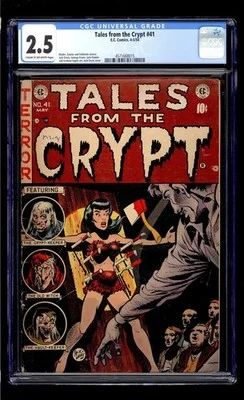
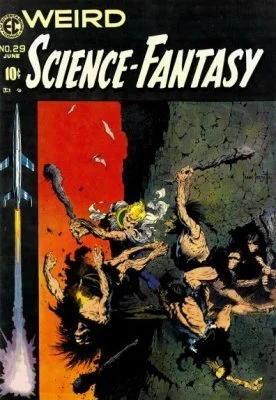
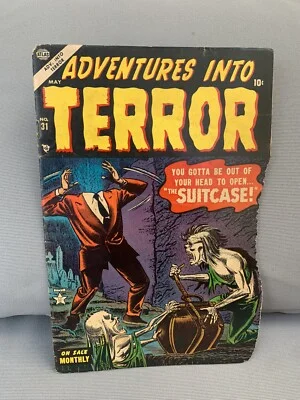
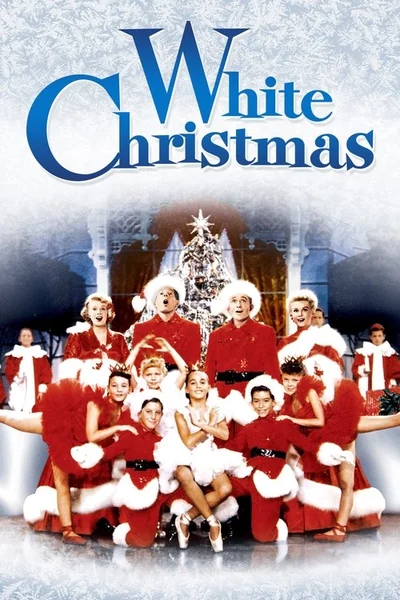
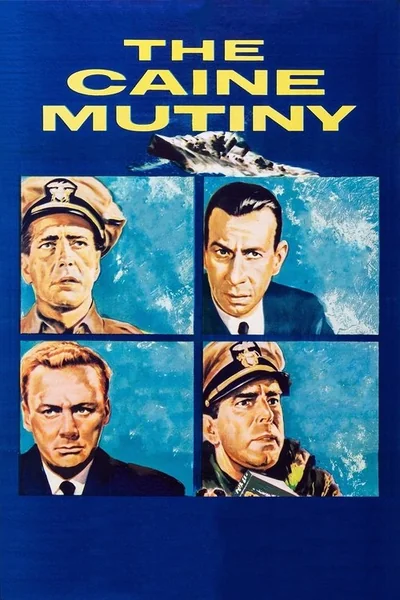
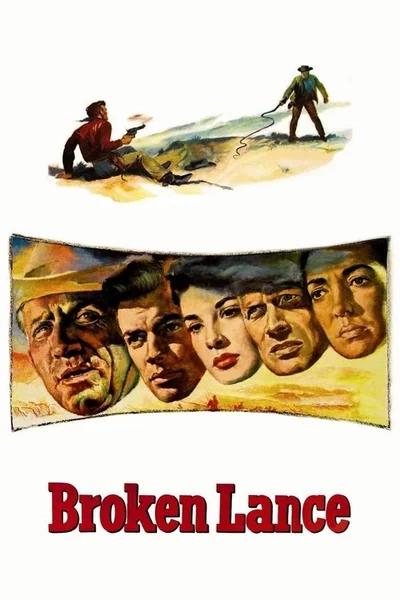
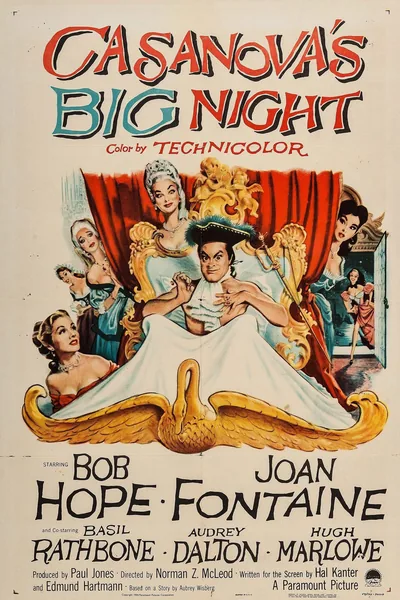
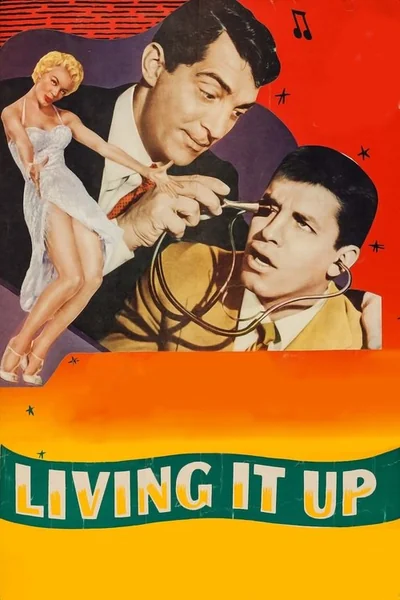
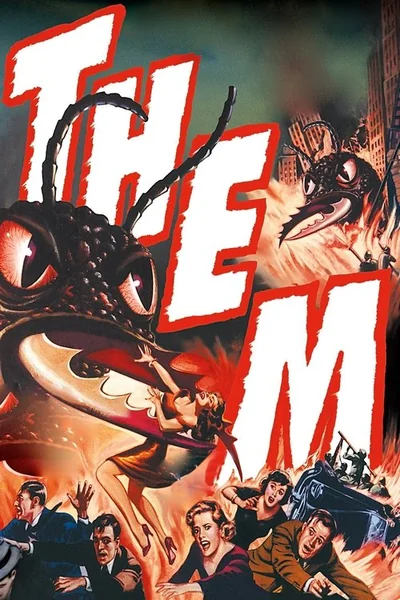
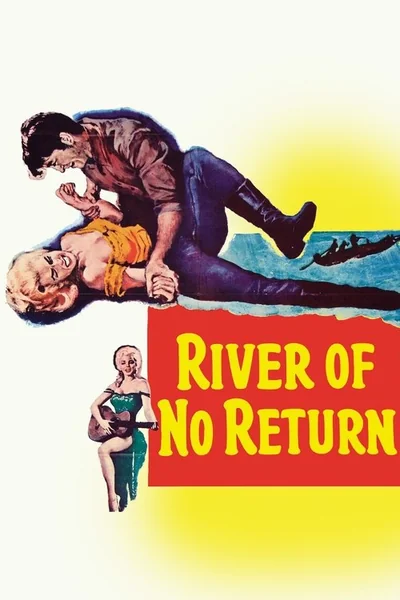
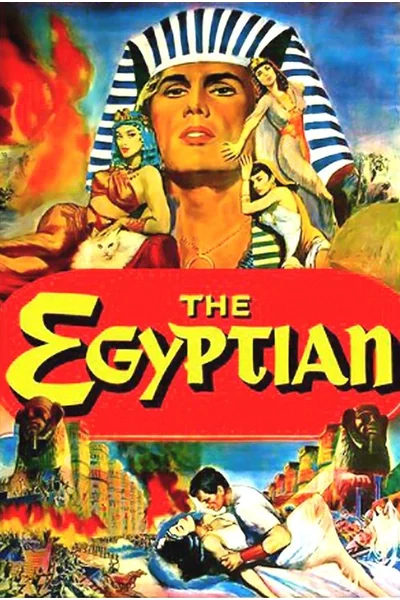
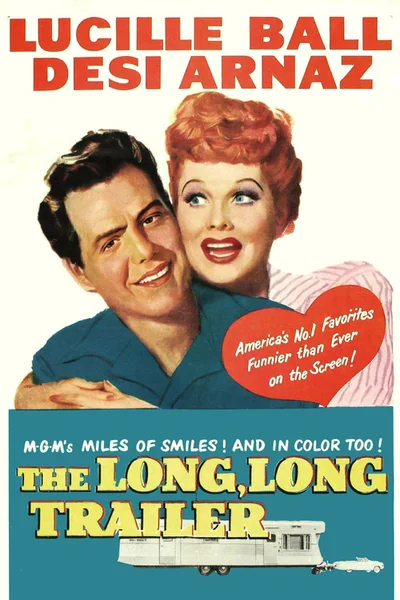
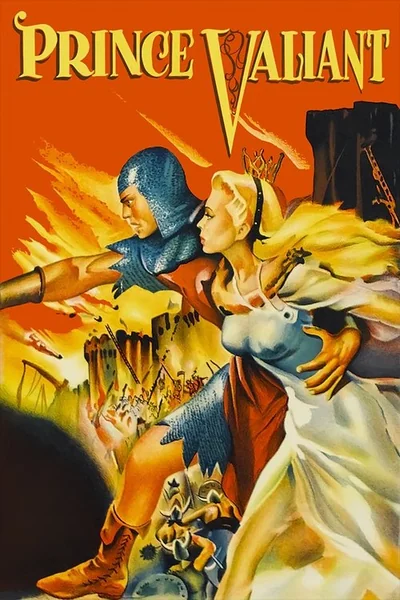
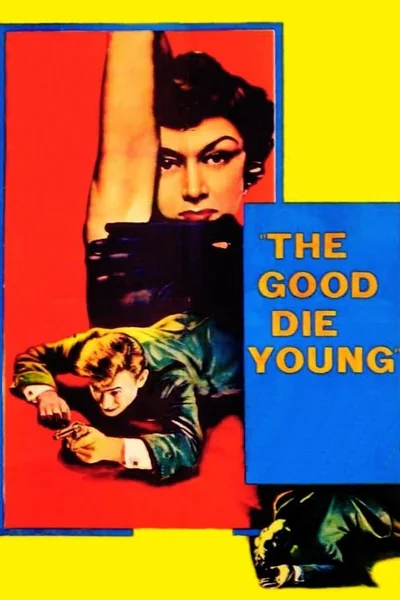
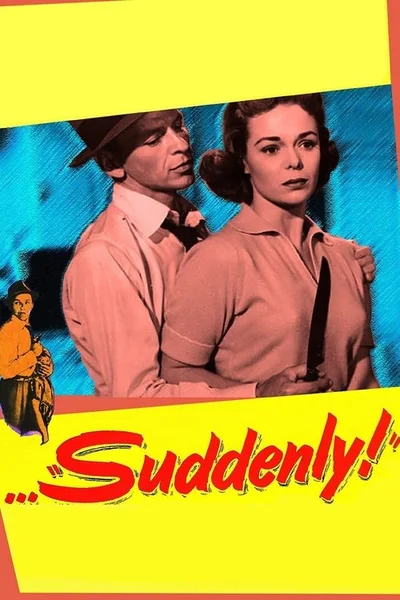
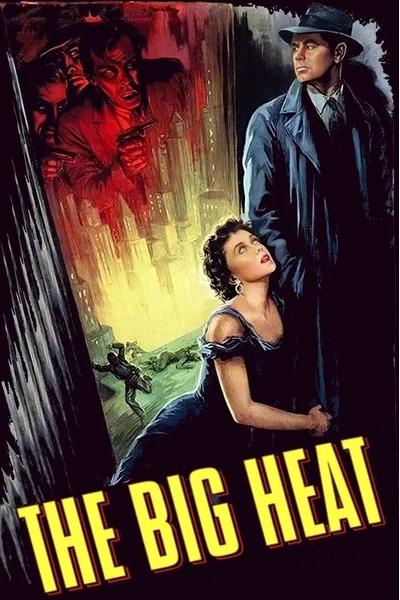
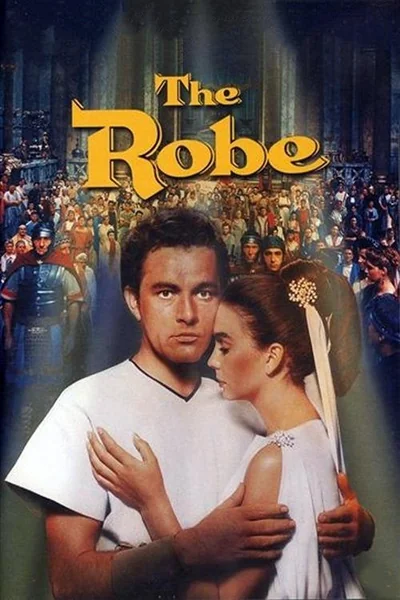
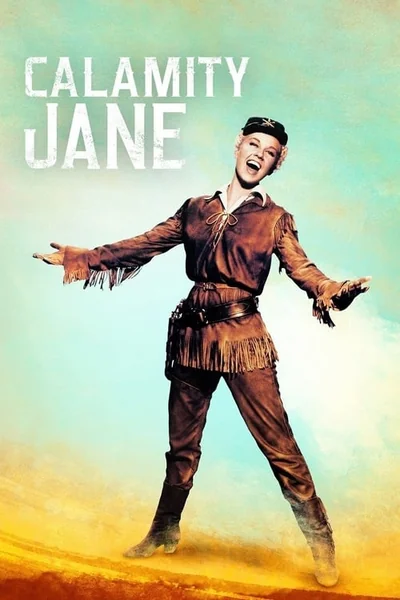
On October 7, 1954, New York City Commissioner McCaffrey announced a hearing to address complaints regarding the questionable advertising displays of immoral and crime-related films at theaters on West 42nd Street. The inquiry was prompted by concerns from community members about the impact of these films on public morality. This event highlights the ongoing tension between artistic expression and societal standards in mid-20th century America.
-
DULLES INDICATES NEW YUGOSLAV TIE; Says Trieste Pact Opens Way to Solve Both Economic and Military Problems Dulles Sees New Yugoslav Tie As Result of ACCord on Trieste