











































DailyTimeCapsule brief
December 18, 1953
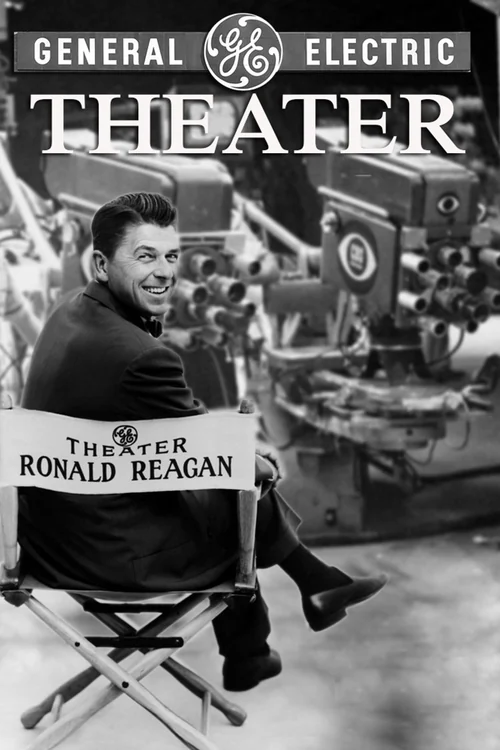
On December 18, 1953, General Electric announced plans to lay off 3,500 workers at its plant, a decision that sent shockwaves through the local economy and underscored the ongoing challenges of post-war labor markets. This announcement came at a time when the United States was grappling with a mix of economic growth and inflationary pressures, leading to a complex environment for both workers and businesses. Meanwhile, amidst rising tensions regarding left-wing ideologies, Mrs. Field, the wife of a supporter of such causes, complied with an order to leave the United States, entering Mexico to avoid deportation to Canada. In the realm of sports and entertainment, the New York Yankees completed a significant financial maneuver by selling their stadium for $6.5 million but opted to rent it back, highlighting the evolving landscape of American sports franchises. These events reflect the intricate tapestry of American life during this era, marked by economic adjustments and shifting political sentiments.
Key developments
-
On December 18, 1953, General Electric announced the layoff of 3,500 workers at its Electronics Park division in Syracuse. This decision came as part of broader changes in the company's production and labor strategy during a time of economic fluctuation. The layoffs reflected the challenges faced by manufacturing industries post-World War II as they adjusted to peacetime production demands.
-
On December 18, 1953, Mrs. Field chose to leave the United States voluntarily to prevent her deportation to Canada. Her husband was known for his support of left-wing causes, which exacerbated the scrutiny they faced during the Red Scare. This decision marked a significant moment in the intersection of individual rights and political climate in post-war America.
-
On December 18, 1953, the New York Yankees sold their stadium to A Johnson Corp for $6,500,000. The unique deal involved a long-term lease allowing the Yankees to continue using the stadium after selling it. D. Topping, a key figure in the transaction, commented on the significance of this arrangement in the sports industry.