













DailyTimeCapsule brief
November 4, 1953
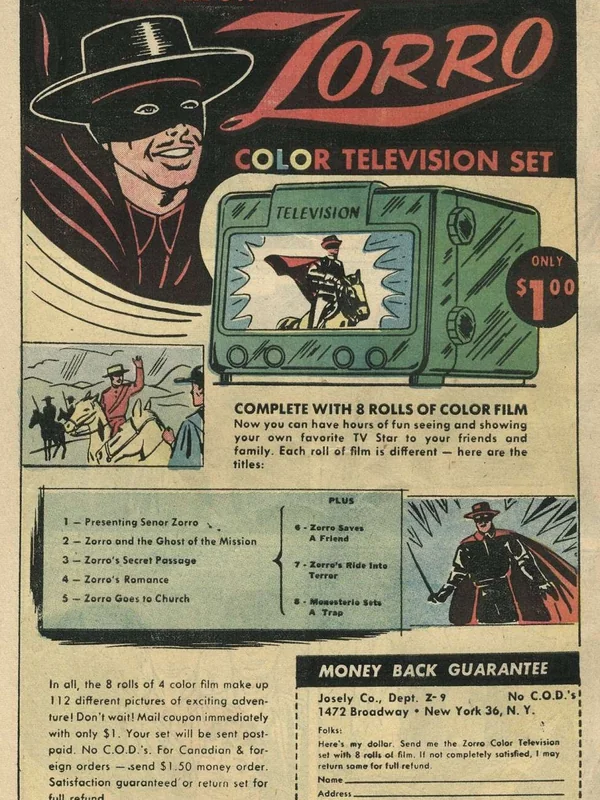
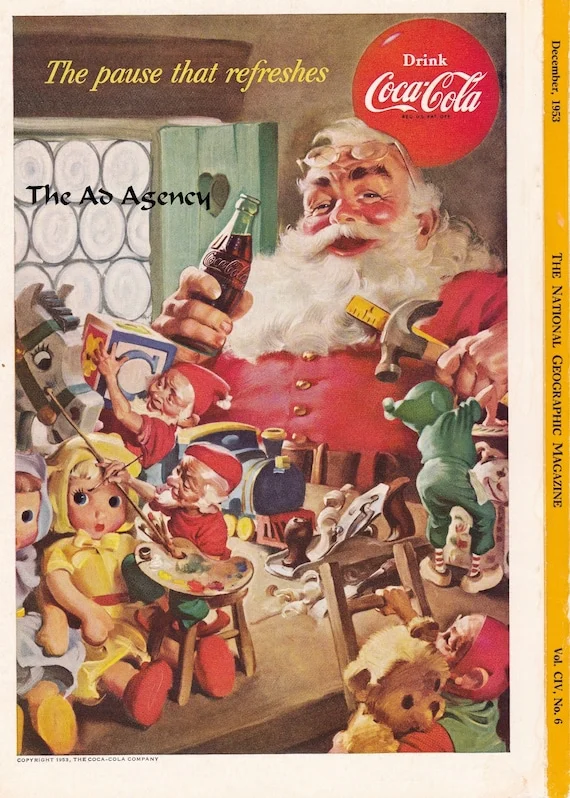
On November 4, 1953, a significant ruling favored Doubleday, as the Trade Commission approved the use of the word 'free' in its book club promotions, enhancing marketing strategies for book subscriptions at a crucial time for publishing. This decision reflected the growing importance of advertising literacy in post-war America, where consumer goods and entertainment were increasingly marketed to a mass audience. Meanwhile, international tensions escalated as the United Nations Council postponed a session regarding Palestine, allowing time for Swedish diplomat Bennike to address the situation. Additionally, Italy created a stir by banning goods exported to Yugoslavia, leading to protests from Belgrade and highlighting the ongoing economic and political rifts in post-war Europe, particularly in the context of the Cold War. These events unfolded against a backdrop of shifting global alliances and the early stages of the Cold War, as nations grappled with their roles in a divided world.
Key developments
-
On November 4, 1953, the Federal Trade Commission (FTC) examiner ruled in favor of Doubleday regarding their use of the word 'free' in promotional offers. This decision dismissed a complaint against the book club's advertising tactics. The ruling referenced a previous case involving the term 'free,' setting a precedent for future marketing practices.
-
On November 4, 1953, the United Nations Security Council decided to postpone a meeting concerning the situation in Palestine. This deferral was aimed at allowing UN mediator Ralph Bennike additional time to formulate responses to various inquiries. The postponement highlights the complexities and ongoing diplomatic efforts surrounding the Palestine issue at that time.
-
On November 4, 1953, Italy announced a ban on its exports to Yugoslavia, triggering protests in Belgrade. Yugoslav officials contested Italy's claims of technical difficulties and inadequate credit as reasons for the embargo. The situation stemmed from tensions arising during the economic recovery period of 1951-1952.