

































DailyTimeCapsule brief
July 10, 1953
On July 10, 1953, significant developments emerged from the Korean War as full truce talks resumed, though South Korea's President Syngman Rhee remained opposed to the negotiations. This opposition raised concerns about the potential for a swift accord on an armistice, particularly as enemy broadcasts hinted at ongoing hostilities. Meanwhile, in the U.S., public schools in Ridgefield, Connecticut, reported a surge in popularity for their nursery classes, reflecting a growing emphasis on early childhood education during a time when traditional family structures were under scrutiny. Additionally, hospitals faced rising costs, prompting discussions on higher rates for voluntary hospitals caring for public charges, a matter that highlighted the complexities of health care funding in a post-war economy. The global landscape was marked by the Cold War tensions, with nations divided along ideological lines as military strategies continued to unfold in Asia and Europe.
Key developments
-
On July 10, 1953, truce negotiations resumed despite opposition from South Korean leader Syngman Rhee. Speculation grew over Rhee's commitment to any potential armistice, with Communist broadcasts emphasizing his compliance as a critical barrier to an agreement. The complexity of the situation was heightened by questions regarding the representation of all governments involved in the conflict.
-
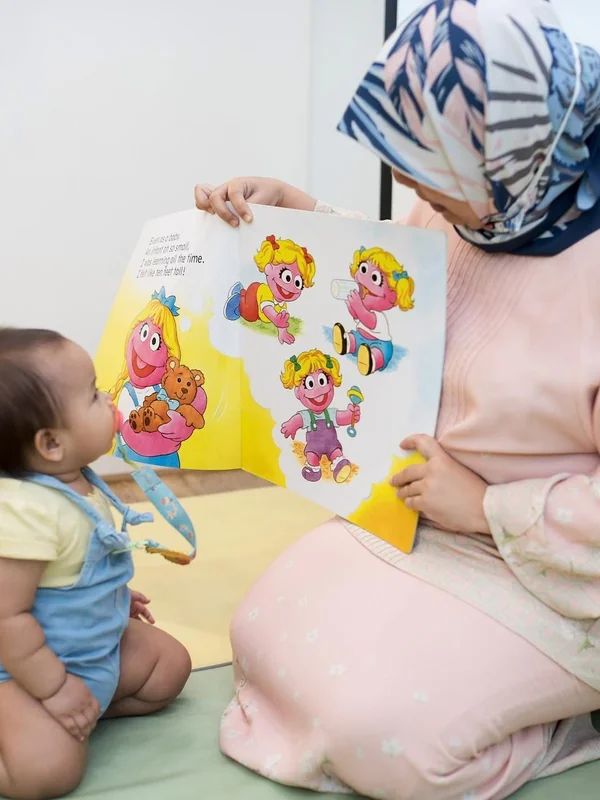
On July 10, 1953, the Garden School in Ridgefield, Connecticut, celebrated its 25th year under the administration of the local Education Board. The nursery classes offered by public schools in the area have gained significant popularity among families. This milestone highlights the community's commitment to early childhood education.
-
For Higher Hospital Rates; Cost to Voluntary Hospitals of Caring for Public Charges Given