
































DailyTimeCapsule brief
May 28, 1953
On May 28, 1953, violence erupted amidst a strike at General Electric, leaving six individuals injured and eight arrested as tensions between labor and management escalated. The strike reflected the broader labor disputes of the era, fueled by post-World War II economic adjustments and rising union activity. Meanwhile, Colombia faced a natural disaster as landslides claimed the lives of seven people, highlighting the region's vulnerability to environmental challenges. In the United States, the political climate was charged with calls for action against communism, exemplified by increasing pressure to close all Soviet embassies, a reflection of the ongoing Cold War tensions. This period was characterized by a heightened fear of communism and a push for national security measures, shaping policies and public sentiment across the nation.
Key developments
-
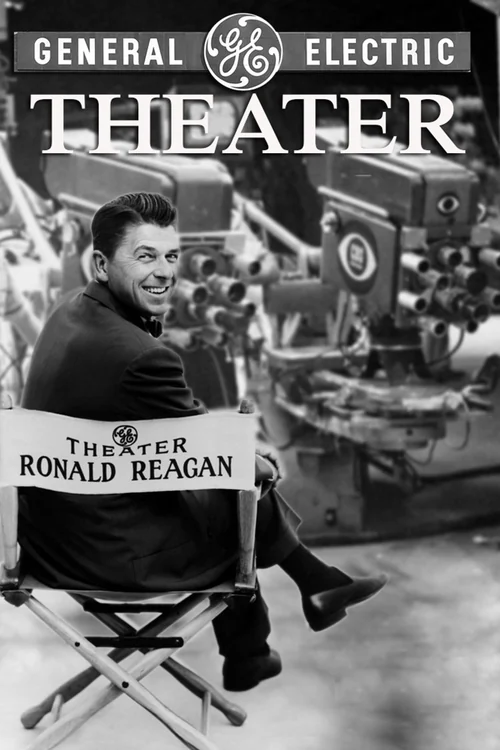
On May 28, 1953, violence flared during a General Electric strike, leading to injuries and arrests. The International Union of Electrical Workers (IUE) urged Governor Dewey to appoint Rev. Boland as an arbitrator for the ongoing dispute at GE plants in Syracuse. As tensions escalated, six individuals were hurt and eight were arrested when salaried workers crossed picket lines.
-
On May 28, 1953, Colombia experienced devastating landslides that resulted in the loss of seven lives. The heavy rains triggered these landslides, affecting several communities in the region. This natural disaster highlighted the vulnerabilities of the area to extreme weather events.
-
On May 28, 1953, U.S. representatives Kersten and Morano called for the closure of all embassies associated with Communist nations, citing national security concerns. This event was part of the broader anti-communist sentiment prevalent during the Cold War era. The push to sever diplomatic ties with these nations reflected the intense political climate of the time.