
















DailyTimeCapsule brief
April 5, 1953
On April 5, 1953, the United Steelworkers of America, a major labor union, publicly accepted responsibility for the ongoing steel rail strike, which had significant implications for both the industry and the economy. This strike had intensified tensions between labor and management and reflected broader unrest in the post-World War II labor landscape. Concurrently, the Massachusetts Institute of Technology (M.I.T.) showcased an innovative approach to engineering education, aiming to stimulate students' creativity in a rapidly evolving industrial environment. The steel industry was not alone in facing challenges, as soft coal mining also experienced a sharp decline due to decreased exports and increased competition from oil imports, exacerbated by a mild winter and rising labor costs. Internationally, the Cold War continued to shape diplomatic relations and policy decisions, with the U.S. maintaining its stance against communist expansion globally.
Key developments
-
On April 5, 1953, the union representing steel conductors accepted responsibility for disruptions during a strike. They agreed to end any slowdowns and restore normal operations. In return, management promised to compensate workers for lost wages, contingent on satisfactory performance going forward.
-
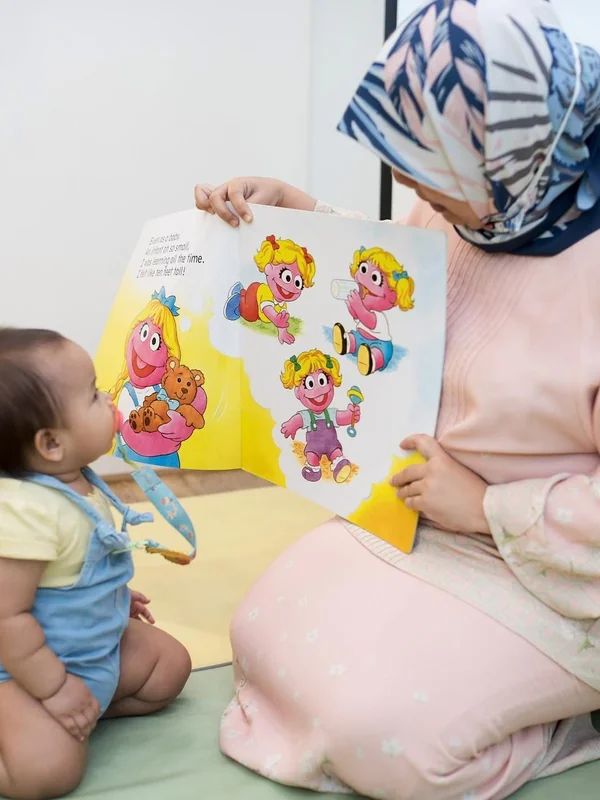
On April 5, 1953, Professor J.E. Arnold presented his innovative techniques aimed at enhancing student imagination at the Massachusetts Institute of Technology. His approach provided a new educational environment that encouraged creative thinking among engineering students. This event highlighted the importance of creativity in engineering education during a time of rapid technological advancement.
-
In April 1953, J E Moody reported a significant downturn in the soft coal mining industry. The decline was attributed to a decrease in exports, increasing competition from oil imports, and domestic fuel sources. Additionally, mild weather patterns contributed to the reduced demand for coal during that time.