




























DailyTimeCapsule brief
March 28, 1953
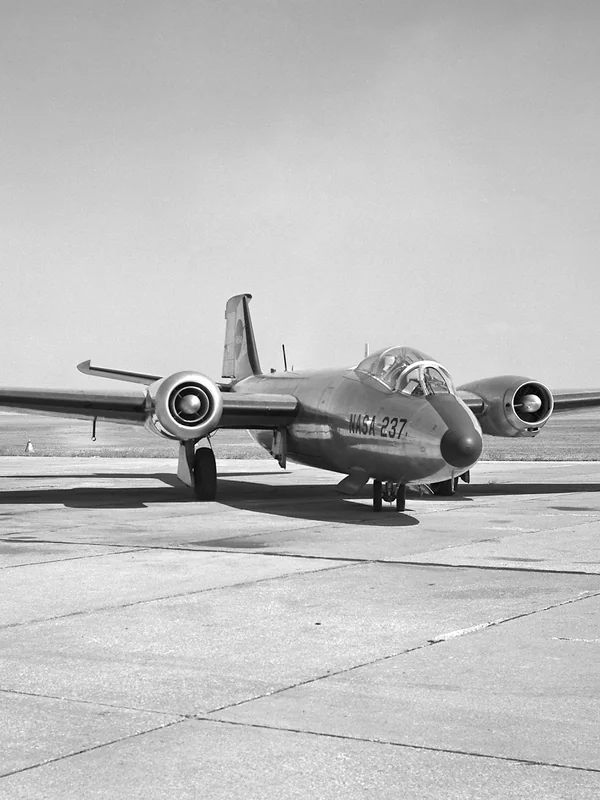
On March 28, 1953, tragedy struck as a plane crash claimed the lives of two individuals during a test flight over Candlewood Lake. The aircraft, involved in testing new aviation technology, encountered difficulties, leading to its fateful descent into the waters of the lake. As the nation was still in the early years of the Cold War, significant global tensions persisted, and the U.S. government was grappling with military and economic strategies, including the distribution of aid to foreign nations. Concurrently, 40 world units faced a proposed cut of $225,000 in aid, reflecting ongoing debates about the U.S.'s role in international support amidst budgetary constraints. This context of international relations, coupled with challenges in aviation safety, marked a pivotal day in post-war America.
Key developments
-
On March 28, 1953, a plane on a test flight crashed into Candlewood Lake near Danbury, Connecticut, resulting in the deaths of two individuals onboard. The incident raised concerns about aviation safety standards during this era of rapid aircraft development. Local authorities conducted an investigation to determine the cause of the crash.
-
On March 28, 1953, Harold H. Grey became a significant figure in his field. His contributions had a lasting impact, shaping future developments and policies. This event marked a pivotal moment in his career and the community.
-
In March 1953, Assistant Secretary of State Hickerson announced a proposed budget for international organizations, totaling over $30 million for fiscal year 1954. However, this budget would include a $225,000 cut affecting 40 world units reliant on U.S. aid. This decision reflects ongoing shifts in U.S. foreign policy and funding priorities during the early Cold War period.