
















DailyTimeCapsule brief
May 29, 1952
On May 29, 1952, the United Nations saw a significant shift in leadership as various units appointed new chairmen, reflecting ongoing changes within the international organization amidst the rising tensions of the Cold War. This shift came at a time when nations were grappling with post-World War II recovery and the ideological battle between communism and democracy. Meanwhile, Canada announced the lifting of wartime restrictions on the importation of certain goods, signaling a move towards a more open economy and greater trade relations. In a more whimsical turn of events, an American pastor inherited an elephant herd, highlighting the diverse and often unexpected stories that emerged during this era of reconstruction and change. The geopolitical landscape was evolving rapidly, with nations adjusting their policies and priorities in response to both domestic and international pressures.
Key developments
-
On May 29, 1952, the United Nations held a significant meeting in which various committees rotated their chairpersons. Jean Moch from France was appointed chairman, highlighting the collaborative spirit of post-war diplomacy. This change aimed to ensure diverse leadership within U.N. units, reinforcing international cooperation.
-
On May 29, 1952, Canada announced the lifting of certain travel restrictions that had been in place. This decision was influenced by reports of similar actions being taken by the United States. The easing of these restrictions marked a significant shift in cross-border relations and travel policies during the early 1950s.
-
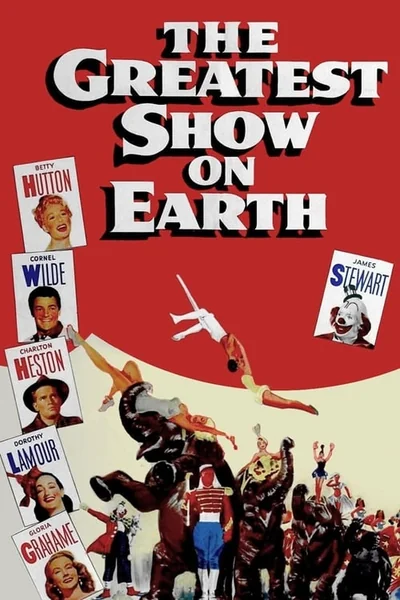
On May 29, 1952, a peculiar event occurred when a pastor inherited an entire herd of elephants from Mrs. Mary Ramson's will. This unusual legacy garnered significant media attention and raised questions about the care and management of such large animals. The event highlighted the unique challenges faced by inheritors of exotic pets in a changing society.


