


























DailyTimeCapsule brief
November 13, 1951
On November 13, 1951, significant discussions regarding military collaboration in Europe faced legal hurdles, particularly from Belgium, which raised constitutional concerns about transferring power to a supranational body. This debate emerged within the broader context of post-World War II reconstruction efforts, where nations sought unity against potential threats, particularly from the Soviet Union. Meanwhile, a 7-year-old boy captured attention at an amateur-professional art show, showcasing the unique intersection of youthful creativity amid serious political discourse. In Canada, the government was inaugurating a new child welfare organization, reflecting a growing recognition of child rights and welfare in national policy discussions.
Key developments
-
On November 13, 1951, Belgium raised constitutional issues that could impede the creation of a unified European Army. The lack of a Defense Minister hampered recruitment efforts, creating further delays in the plan. This legal snag raises questions about the transfer of national powers to a supranational body.
-
In November 1951, a 7-year-old boy showcased his art at the Hudson Guild Neighborhood House during an amateur-professional art exhibition. Despite receiving praise from critics and adults, he remained unfazed by the attention. The event highlighted the creative talents of children alongside seasoned artists.
-
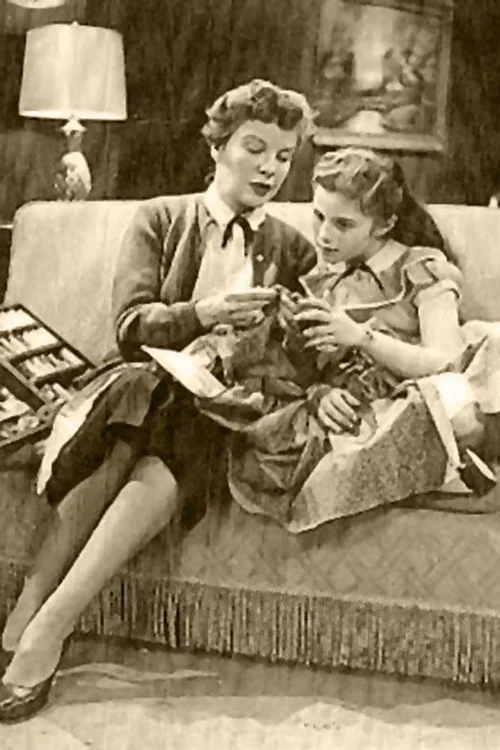
Canadian Heads Child Group