










DailyTimeCapsule brief
June 9, 1951
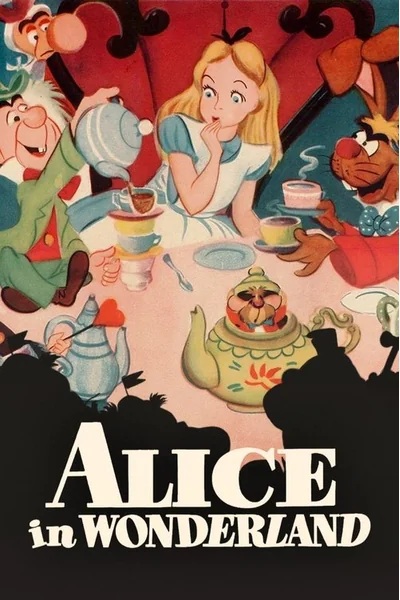
On June 9, 1951, President Harry S. Truman appointed General William A. Gray to lead a newly established Psychological Warfare Board, signaling a strategic shift in U.S. military and intelligence operations during the Cold War. This board aimed to enhance psychological operations as a tool against communist influence globally, reflecting the escalating tensions of the era. The appointment comes at a time when the United States is deeply involved in the Korean War, with military efforts intensifying. On the cultural front, the theater scene was vibrant, with 150 theaters set to present the new musical 'Alice in Wonderland', indicative of a flourishing post-war entertainment industry. Meanwhile, a significant gathering of 1,500 Ford dealers converged for an awards dinner, emphasizing the booming economy and the importance of the automotive industry in American life.
Key developments
-
On June 9, 1951, President Harry S. Truman requested General William H. Gray to lead a newly proposed Federal Psychological Warfare Board. This initiative aimed to enhance U.S. psychological operations during the Cold War. The board was intended to counteract enemy propaganda and influence both domestically and internationally.
-
On June 9, 1951, it was reported that a surge in musicals, particularly 'Alice in Wonderland,' would lead to the operation of 150 theatres across the country. An Equity spokesman highlighted the resulting high employment opportunities in the theatre industry. This resurgence was accompanied by the announcement of judges for the ANTA National Theatre Conference Playwrights Project, further supporting playwrights and new theatrical works.
-
On June 9, 1951, 1,500 Ford dealers from the Central Region gathered in New York City for an awards dinner. The event celebrated the success of dealers in a sales competition, highlighting their achievements in promoting Ford vehicles. This gathering showcased the importance of dealer performance in the automotive industry during the post-war economic boom.