









DailyTimeCapsule brief
August 11, 1950
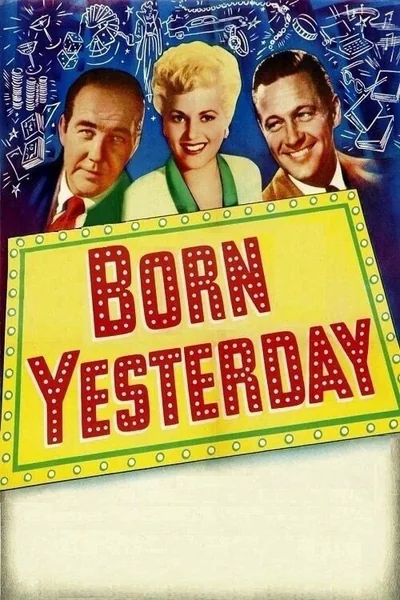
On August 11, 1950, the political landscape was heavily influenced by the ongoing Korean War and domestic labor issues in the United States. The Colombian labor union took a stand, addressing the situation in Korea and the involvement of American resources in the conflict. Meanwhile, tensions continued to rise as the head of the American Legion publicly condemned communism, calling for it to be criminalized in the U.S. This call echoed the sentiments of many Americans who were concerned about the spread of communism in light of the Cold War. In legislative news, the House of Representatives took action against two officials from the C.I.O., highlighting the ongoing struggle between labor unions and the government. Additionally, the film industry was buzzing with excitement as producer Walter Wanger sought out legendary actress Greta Garbo for a new project set on the coast, further showing the cultural significance of Hollywood in this era. The day was also marked by cultural moments, such as the popularity of the song 'Goodnight Irene' and the release of classic films like 'King Solomon's Mines' and 'All About Eve.'
Key developments
-
On August 11, 1950, the Colombian Confederation of Labor officially expressed its support for the United Nations' actions in Korea. This endorsement came during a tumultuous period marked by the Korean War, highlighting Colombia's commitment to international solidarity and labor rights. The decision underscored the global alignment of labor movements in response to geopolitical conflicts.
-
On August 11, 1950, regulations were introduced to standardize garage fees across the city. This decision aimed to provide fair pricing for customers and enhance competition among garage businesses. The changes significantly impacted local garage operations and their economic viability.
-
On August 11, 1950, American Legion Commander G.N. Craig called for the federal government to classify communism as a crime in the United States. This demand came amid rising Cold War tensions and a nationwide fear of communist infiltration. Craig's stance reflected the sentiments of many Americans who were concerned about the spread of communism during this period.