






































DailyTimeCapsule brief
October 9, 1949
On October 9, 1949, the United States witnessed a significant moment in public health as the worst polio epidemic began to wane. With a vaccine on the horizon, hopes rose among citizens and health officials alike, signaling a turning point in the battle against this devastating disease. Meanwhile, the Pentagon was embroiled in its own challenges, referred to as the 'Pentagon Battle,' as the military faced growing pressures during the early Cold War period, impacting defense strategies and policies. Amidst these pressing issues, the world of photography saw notable developments, with wide price reductions on cameras aimed at amateur photographers, making the hobby more accessible to the public, thus fostering creativity and innovation in visual storytelling.
Key developments
-
On October 9, 1949, Keystone announced significant price cuts on two cameras and one projector, making photography more accessible to amateurs. Additionally, Bell & Howell joined the trend by reducing the price of one of their cameras. These moves indicated a growing market for amateur photography post-World War II.
-
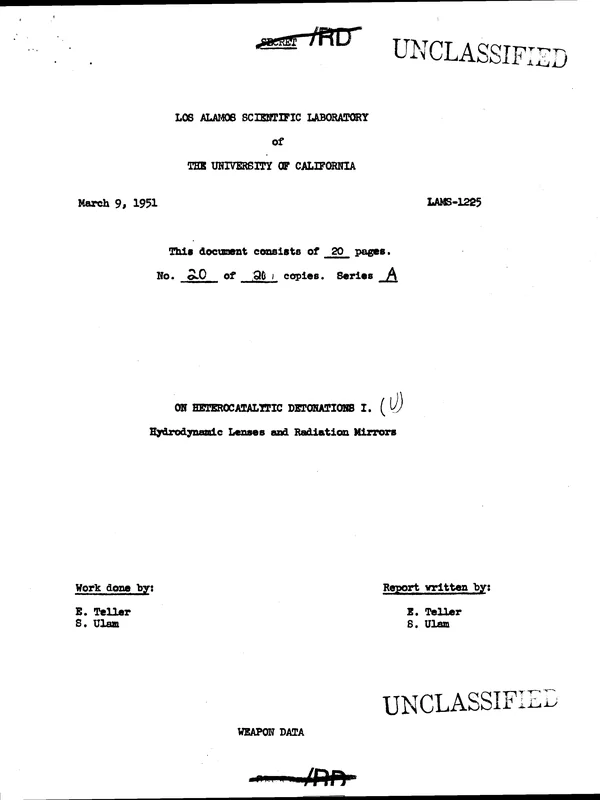
On October 9, 1949, a significant debate erupted within the Pentagon regarding the future of military aviation, particularly focusing on the strategic implementation of the B-36 and XC-99 aircraft. This confrontation highlighted the growing tensions of the Cold War and the need for advanced airpower. The event underscored the importance of aerial capabilities in modern warfare at a time when air superiority was becoming increasingly crucial.
-
Worst Polio Epidemic Is Waning as Hopes Are Raised for an Effective Vaccine