































DailyTimeCapsule brief
July 5, 1949
On July 5, 1949, General Smith asserted that the United States had successfully halted Soviet expansion in Europe, a statement reflecting the growing confidence in American power following World War II. This declaration came during a speech at Williamsburg, emphasizing the strategic victories of the U.S. in the face of communism. Simultaneously, tensions rose in Brazil over oil refining issues, signaling the complexity of global economic interests and domestic policies. Closer to home, the local political landscape was shaken when the ALP Club in the 5th A.D. South reported the disappearance of 430 members' cards, raising concerns over voter registration and participation amidst a charged political atmosphere.
Key developments
-
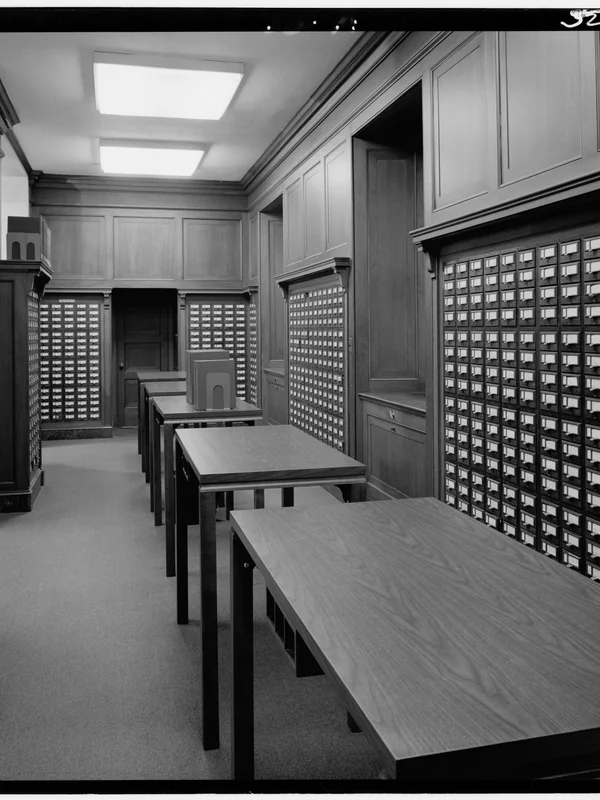
On July 5, 1949, the membership list of the ALP Club in Manhattan’s 5th A.D. South mysteriously vanished from the office. This disappearance included cards for 430 members, raising concerns and speculation within the local community. The event highlighted issues of security and accountability for organizations during this period.
-
On July 5, 1949, Brazil's government initiated financial support for two private oil refining companies. This move aimed to reduce the country's significant import costs, which totaled $300 million annually. The decision ignited debates about the role of private enterprise in the oil sector and national economic independence.
-
On July 5, 1949, Lt. Gen. W.B. Smith asserted that U.S. military strength had successfully halted the expansion of the Soviet Union in Europe. Speaking at a conference in Williamsburg, Virginia, he highlighted the significance of American power in shaping post-war geopolitical dynamics. This event marked a pivotal moment in the early stages of the Cold War, showcasing the U.S. commitment to containment policies against Soviet influence.