




































DailyTimeCapsule brief
June 30, 1949
On June 30, 1949, a significant inquiry concluded that the British press had acted responsibly, rejecting the notion of state control over the media. This finding came amidst a backdrop of post-World War II recovery, as nations grappled with the balance between public accountability and press freedom. In the United States, the Atomic Energy Commission (AEC) discharged 37 individuals following FBI inquiries, affirming that none were involved in espionage, reflecting ongoing concerns about security in the wake of the Cold War. Additionally, the appointment of a new governor for Malta highlighted the shifting political dynamics in British territories. The world was adjusting to a new geopolitical landscape, with communism on the rise and Western nations emphasizing democracy and free markets as bulwarks against authoritarianism.
Key developments
-
On June 30, 1949, a Royal Commission affirmed that the British press was not operating as a monopoly and warned against excessive ownership concentration. The inquiry rejected any proposals for state control over the press. It recommended the establishment of a general council to oversee and enhance journalistic standards.
-
On June 30, 1949, a new governor was named for Malta following the departure of Governor Clarke. This transition marked a significant moment in Malta's post-war governance. The new leadership aimed to address the challenges facing the island in the aftermath of World War II.
-
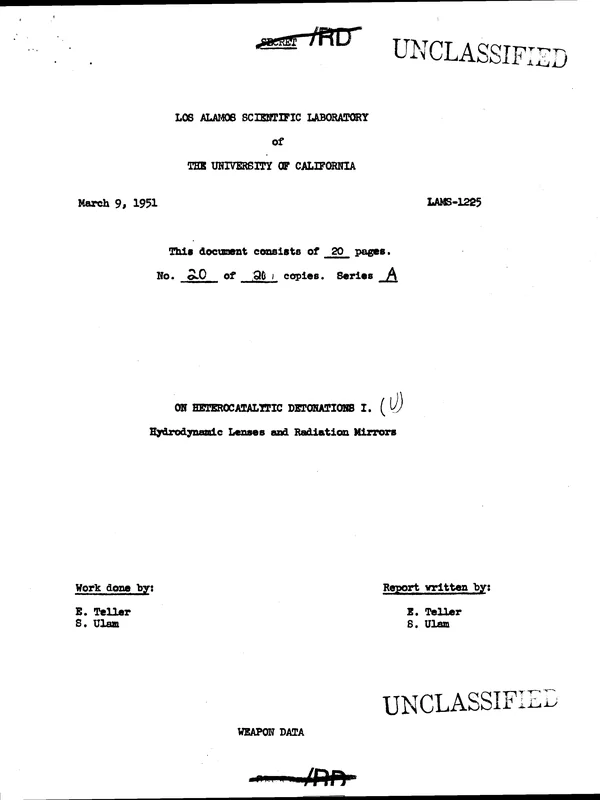
AEC DISCHARGED 37 AFTER FBI INQUIRIES; But None Involved Espionage, Says Report on Those Who Got Emergency Clearance