




























DailyTimeCapsule brief
May 11, 1949
On May 11, 1949, the British government reported that the cost of the Berlin Airlift had reached a staggering £5,850,000. This airlift, which began in June 1948, was a response to the Soviet blockade of West Berlin and represented a significant moment in the early Cold War, showcasing the West's commitment to counter Soviet expansion. Meanwhile, in Jersey City, an anti-Hague ticket won a contentious election by a narrow margin of 4-3, breaking the 32-year dominance of the Hague political machine led by Frank Hague, which had long been characterized by patronage and influence. This shift in local governance signified a potential change in the political landscape in New Jersey. Additionally, a new body was formed to guide security efforts, reflecting the post-war emphasis on maintaining order and addressing the new global threats emerging in a divided world.
Key developments
-
On May 11, 1949, the British Airlift operation totalled $5,850,000 in expenses. As of March 31 of the same year, the overall cost for operations and support reached approximately $23.4 million. This effort was part of the larger Berlin Airlift, which aimed to supply West Berlin during the Soviet blockade.
-
In a historic election held on May 11, 1949, the anti-Hague ticket emerged victorious in Jersey City by a narrow 4-to-3 margin. This election marked the end of a 32-year political reign associated with the Hague Machine. The victory was significant as it allowed the new coalition to capture all five positions on the City Commission.
-
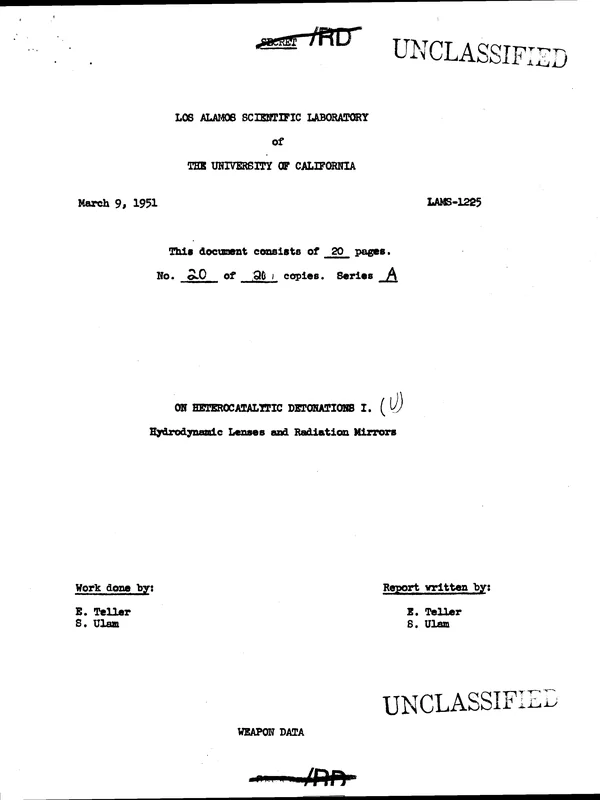
On May 11, 1949, the Interdepartmental Committee on Internal Security (ICIS) was formed within the National Security Council. This body was created to provide guidance over various intelligence and investigating agencies. It was positioned as co-equal to the Interdepartmental Intelligence Conference, highlighting the importance of internal security during the early Cold War period.