

















DailyTimeCapsule brief
January 9, 1949
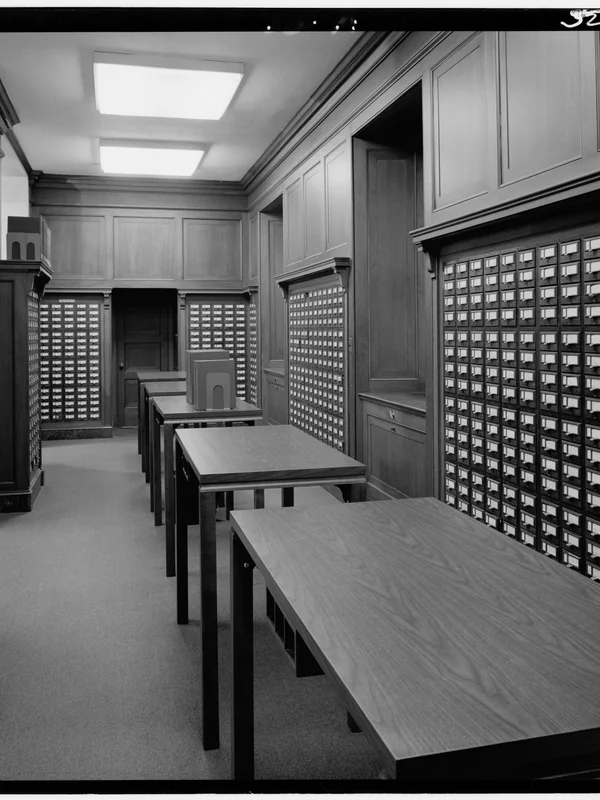
On January 9, 1949, King George VI of the United Kingdom departed London for Sandringham, exhibiting only a slight limp, indicative of his ongoing health challenges. This journey came in the post-World War II era, during which the British monarchy was working to maintain its relevance and connection with the public amidst significant political changes and economic struggles. Amidst these royal activities, the world was also engaged in discussions surrounding empire and glory as exemplified by the publication of 'The Empire and The Glory. Napoleon Bonaparte, 1800-1806' by Fletcher Pratt, which explored the complexities of Napoleon's rule and his impact on Europe. Additionally, the Cloisters Study was awarded first prize for its depiction of buildings, showcasing the continued appreciation of art and architecture in the aftermath of the war, as societies began to rebuild and reflect on their cultural heritage.
Key developments
-
On January 9, 1949, the prestigious prize for architectural photography was awarded to the Cloisters Study. This event highlighted the importance of visual documentation in architectural history. The winning pictures showcased the beauty and intricacies of historic buildings through stunning illustrations.
-
On January 9, 1949, King George VI departed London for Sandringham, his country estate. Despite a recent illness that had caused concern about his health, he displayed only the slightest limp during his departure. This journey marked a return to routine for the king after a challenging period for the monarchy.
-
Napoleon -- And Milieu; THE EMPIRE AND THE GLORY. Napoleon Bonaparte, 1800-1806. By Fletcher Pratt. Line drawings by Inga Pratt. 535 pp. New York: William Sloan Associates. $6.50.