













DailyTimeCapsule brief
January 20, 1947
On January 20, 1947, a devastating maritime tragedy struck when a Greek ship sank after hitting a mine, resulting in the feared loss of 300 lives. This incident unfolded against the broader backdrop of post-World War II recovery in Europe, amidst ongoing tensions between the Western Allies and the Soviet Union that would soon escalate into the Cold War. In the U.S., President Harry S. Truman was leading efforts to stabilize the economy, while elsewhere in the world, nations were grappling with reconstruction and emerging political challenges. Additionally, the postponement of rail loan bids indicated ongoing economic uncertainties affecting infrastructure development, further complicating recovery efforts. Meanwhile, Warner Bros. made headlines by signing a prominent French singer, reflecting the cultural exchange beginning to flourish in the post-war era.
Key developments
-
On January 20, 1947, a Greek ship struck a mine and sank off the coast of Rafina, Greece, resulting in a significant loss of life. It is feared that approximately 300 individuals, including government officials and political prisoners, perished in the incident. Survivors reported that ship officers obstructed access to lifeboats during the emergency, contributing to the tragedy.
-
On January 20, 1947, officials announced the postponement of bid openings for rail loans. This decision affected numerous railway companies eagerly awaiting funding for infrastructure improvements. The delay sparked discussions about the future of rail transport in a post-war economy.
-
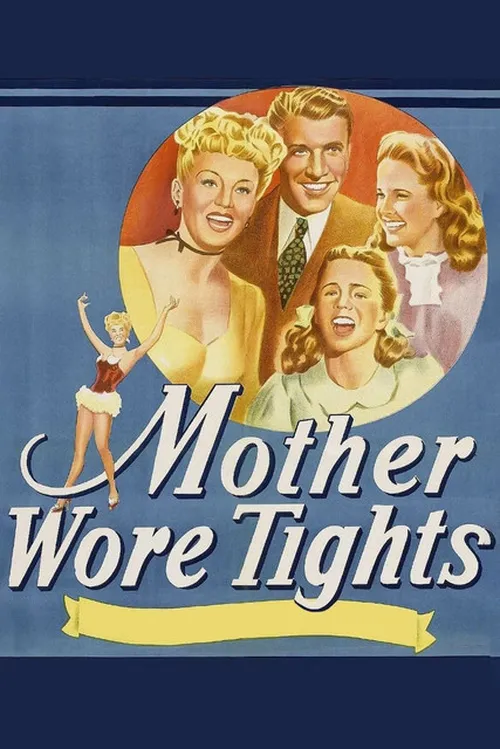
On January 20, 1947, Warner Bros Pictures signed a film contract with a prominent French singer, marking a significant moment in cross-cultural entertainment. This deal aimed to bring European music influences to Hollywood's film industry. The collaboration highlighted the growing interest in international talent in post-war cinema.