

















DailyTimeCapsule brief
February 6, 1945
On February 6, 1945, Allied forces continued their relentless advance against Axis powers during World War II. In a significant conflict, reports emerged of Russian troops engaging German forces, leading to severe casualties among the Germans. This was part of the larger push by Soviet troops in Eastern Europe, which had been increasing in intensity as the war neared its end. Meanwhile, other fronts, including the Pacific theater, were marked by intense engagements such as blitzkriegs, which showcased the military strategies that defined the conflict. The world was in a state of turmoil as nations grappled with the war's devastating impact, and the geopolitical landscape was rapidly changing. Amidst this chaos, notable figures were also making headlines, including Leonard M. Holland, a wine steward at the prestigious Waldorf-Astoria Hotel, who was recognized for his contributions to the cultural fabric of the era.
Key developments
-
On February 6, 1945, a revolt broke out among 120 teenage Soviet slave girls on a German estate in Upper Silesia. The girls, seeking freedom from their oppressive conditions, killed two guards and their mistress. This event signifies a desperate fight for survival and autonomy amidst the horrors of war and enslavement.
-
On February 6, 1945, military historian Edward Gers analyzed the tactics used in the German blitzkrieg during the 1940 invasion of France and compared them to the Soviet offensive in 1945 against the Nazis. This comparison highlighted the evolution of warfare strategies as the war progressed. The insights provided a deeper understanding of how rapid mobility and surprise were employed by both sides.
-
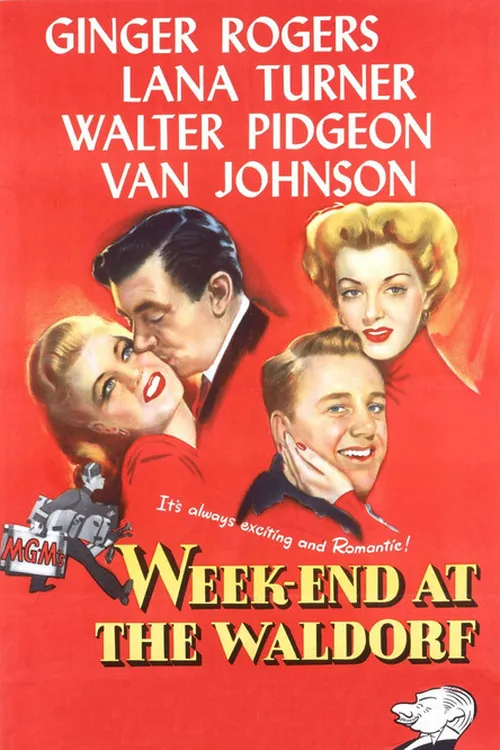
On February 6, 1945, Leonard M. Holland, a well-known wine steward at the Waldorf-Astoria, made headlines. He was also a member of The Lambs, a prestigious theatrical club in New York City. Holland's contributions to the hospitality industry were celebrated, highlighting the intersection of fine dining and the arts.


