




























DailyTimeCapsule brief
December 21, 1944
On December 21, 1944, the National Labor Relations Board (NLRB) made a significant ruling that barred General Motors (GM) from shifting the payroll status of its workers, asserting that such changes would result in the loss of employee benefits. This decision came amidst World War II, a time when labor relations were under intense scrutiny due to the demands of war production. The U.S. economy was transitioning from wartime to peacetime, and the government was focused on ensuring workers' rights while managing industrial output. Concurrently, the British Parliament expressed concern over the increasing import of American films, which had doubled since the onset of the war, leading to proposed amendments on quotas to protect local cinema. Amid these discussions, Sister Elizabeth Kenny, a pioneering Australian nurse known for her work with polio patients, attended a reception, further highlighting the key figures involved in health advancements during this period.
Key developments
-
On December 21, 1944, the National Labor Relations Board (NLRB) ruled that General Motors Corporation had engaged in unfair labor practices by transferring professional workers from salaried to hourly wage statuses. This shift resulted in the loss of benefits for affected employees, prompting the NLRB to order the reinstatement of workers to their former status. The decision highlighted the significance of protecting workers' rights and ensuring fair treatment within companies.
-
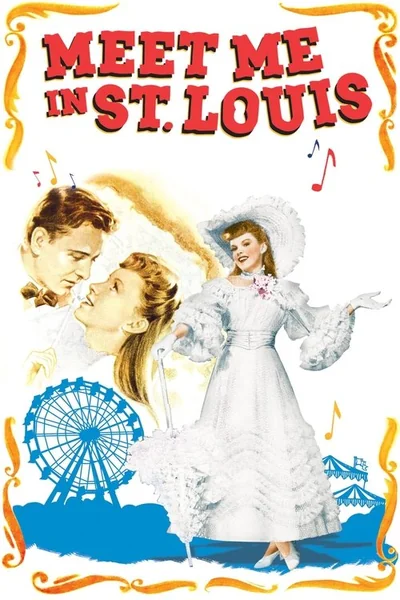
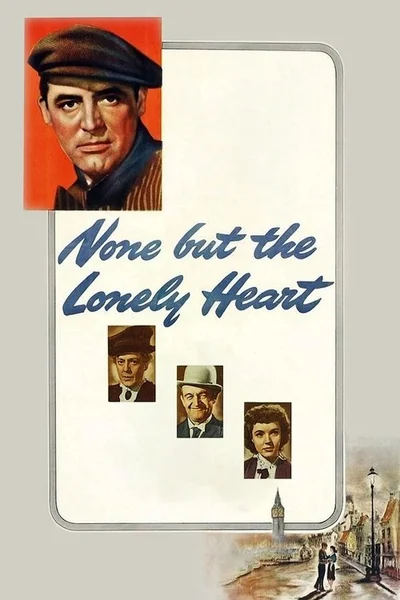
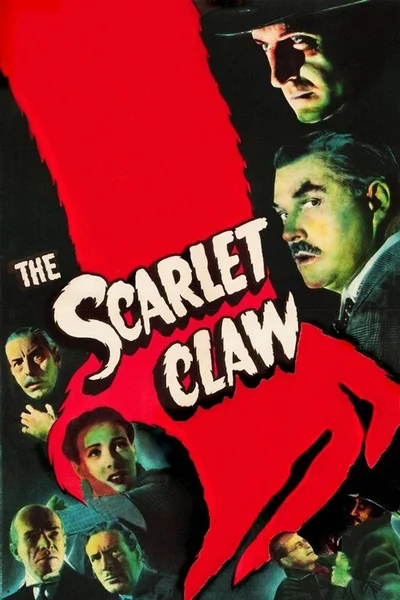
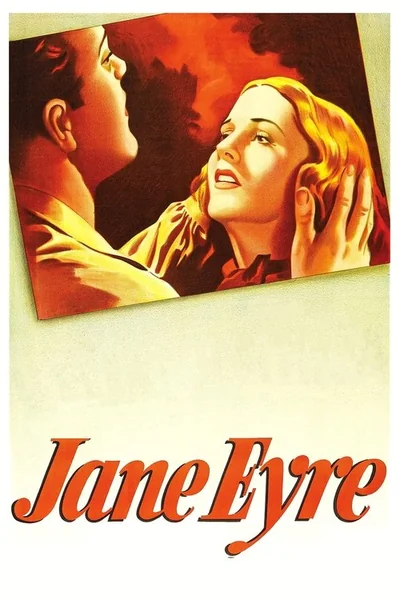
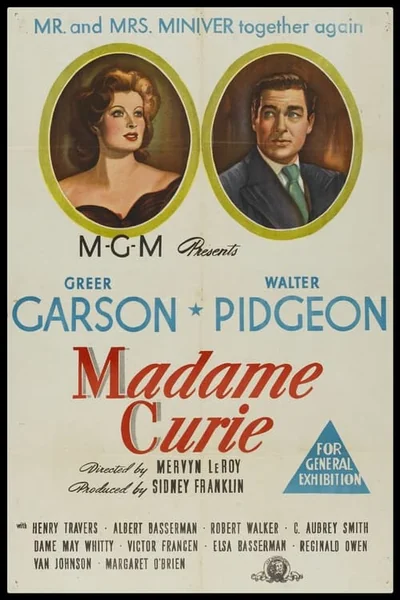
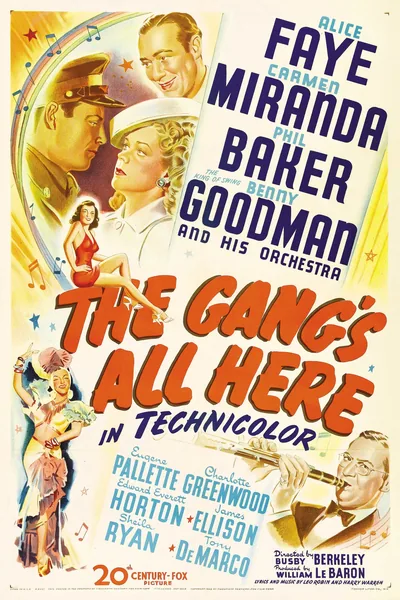
In December 1944, British officials expressed concern over the significant increase in American film imports, which had doubled since the onset of World War II. The House of Commons discussed the cultural implications of this influx and proposed amendments to existing quotas to regulate the number of U.S. films in Britain. This situation reflects broader anxieties about cultural imperialism during wartime and its potential impact on British filmmaking.
-
On December 21, 1944, Sister Elizabeth Kenny was honored at a reception held by the YWCA Central Club for Nurses in New York City. Known for her innovative polio treatment, Sister Kenny gained national acclaim for her contributions to nursing and patient care. This event celebrated her impactful work and the ongoing battle against polio during that era.