

















DailyTimeCapsule brief
June 10, 1944
On June 10, 1944, wartime job shifts remained a critical topic in the United States as the nation grappled with the transition from a wartime economy to peacetime work. Amidst the ongoing turmoil of World War II, discussions intensified regarding the implications of these job transitions on the longevity of the conflict. Industries supporting the war effort were still vital, and any premature shift to civilian production was viewed as potentially prolonging the conflict. Globally, the war was reaching pivotal moments with Allied forces intensifying their efforts in Europe following the D-Day landings, while the Pacific theater also saw sustained combat. The socio-economic landscape was markedly affected by the war, with Americans increasingly aware of the need for a balanced approach to post-war recovery and employment.
Key developments
-
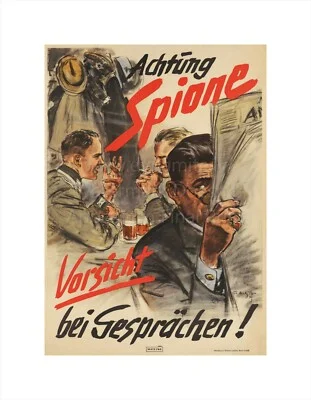
On June 10, 1944, discussions arose about the critical significance of war jobs amid rising concerns of employees deserting their roles. The shift to peacetime work was viewed as a potential factor prolonging the ongoing conflict. Stakeholders emphasized the importance of maintaining workforce dedication to support the war effort effectively.
-
On June 10, 1944, Norwich University announced it would not hold its traditional commencement ceremony. Instead, the institution decided to focus on planning for its 125th anniversary observance. This marked a significant shift in the school's annual events during World War II.
-
GEORGE H. L. MORTON